

This is Part 3 of our three-part series on custom retirement home design.
[Read Part 1: Planning Your Custom Retirement Home]
[Read Part 2: Age in Place Home Design: Essential Features for Your Custom Retirement Home]
Choosing the right builder and understanding advanced aging-in-place options ensures your custom retirement home serves you beautifully for decades to come.
Room-by-Room Design Strategies
While we’ve covered broad universal design principles, specific room applications help visualize how these concepts work in practice.
Master Bedroom Essentials
Ground floor location eliminates daily stair navigation and creates relaxed flow between your private retreat and common areas. Direct bathroom access through wide doorways enhances privacy and convenience, particularly during illness or recovery.
Wide doorways throughout the bedroom area improve traffic flow and create spacious feelings. The 36-inch standard accommodates furniture movement while providing openness that characterizes quality custom homes.
Multiple lighting sources—bedside switches, dimmers, ambient and task lighting—allow you to adjust ambiance and ensure safe nighttime navigation.
Living Space Flow
Open floor plans naturally support aging-in-place goals while creating contemporary spaces most homeowners prefer. These layouts promote social interaction, improve sight lines, and eliminate navigation challenges from multiple doorways and tight spaces.
Clear sight lines between rooms enhance safety and social connection. Seeing from kitchen to family room, or entry to main living areas, creates spaciousness while allowing easy communication.
Adequate space for potential mobility aids doesn’t mean cavernous rooms. Instead, avoid furniture arrangements that create narrow pathways and ensure main traffic routes remain generous and unobstructed.
Comfortable seating heights make significant differences in daily comfort. Choose sofas and chairs that are neither too low nor too high, reducing strain when sitting and standing.
Outdoor Living Integration
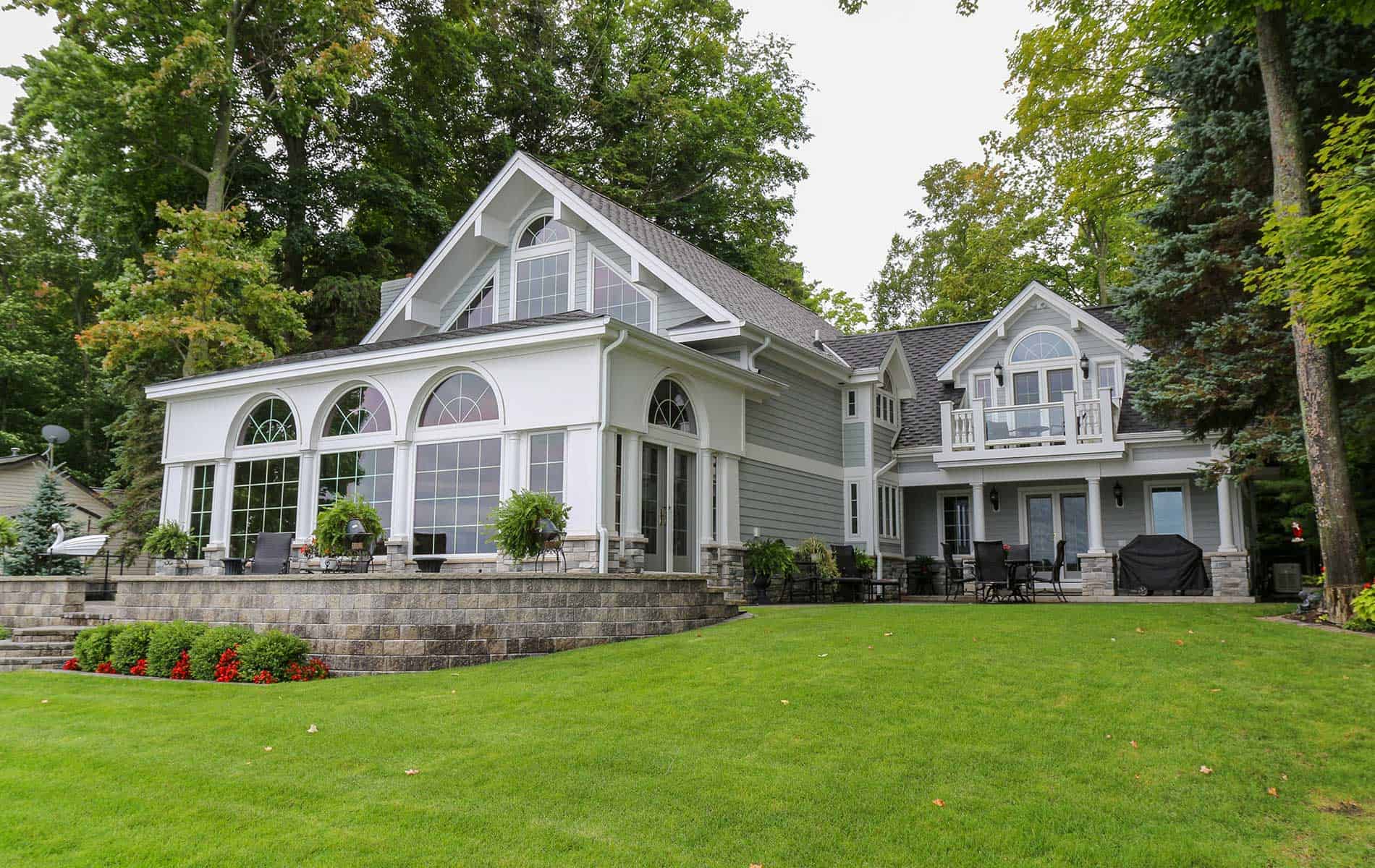
Accessible patios and decks extend living space while ensuring you can enjoy Northern Michigan’s beautiful seasons comfortably for years. Level transitions from interior to exterior, or gentle ramps that look like natural design features, maintain indoor-outdoor flow.
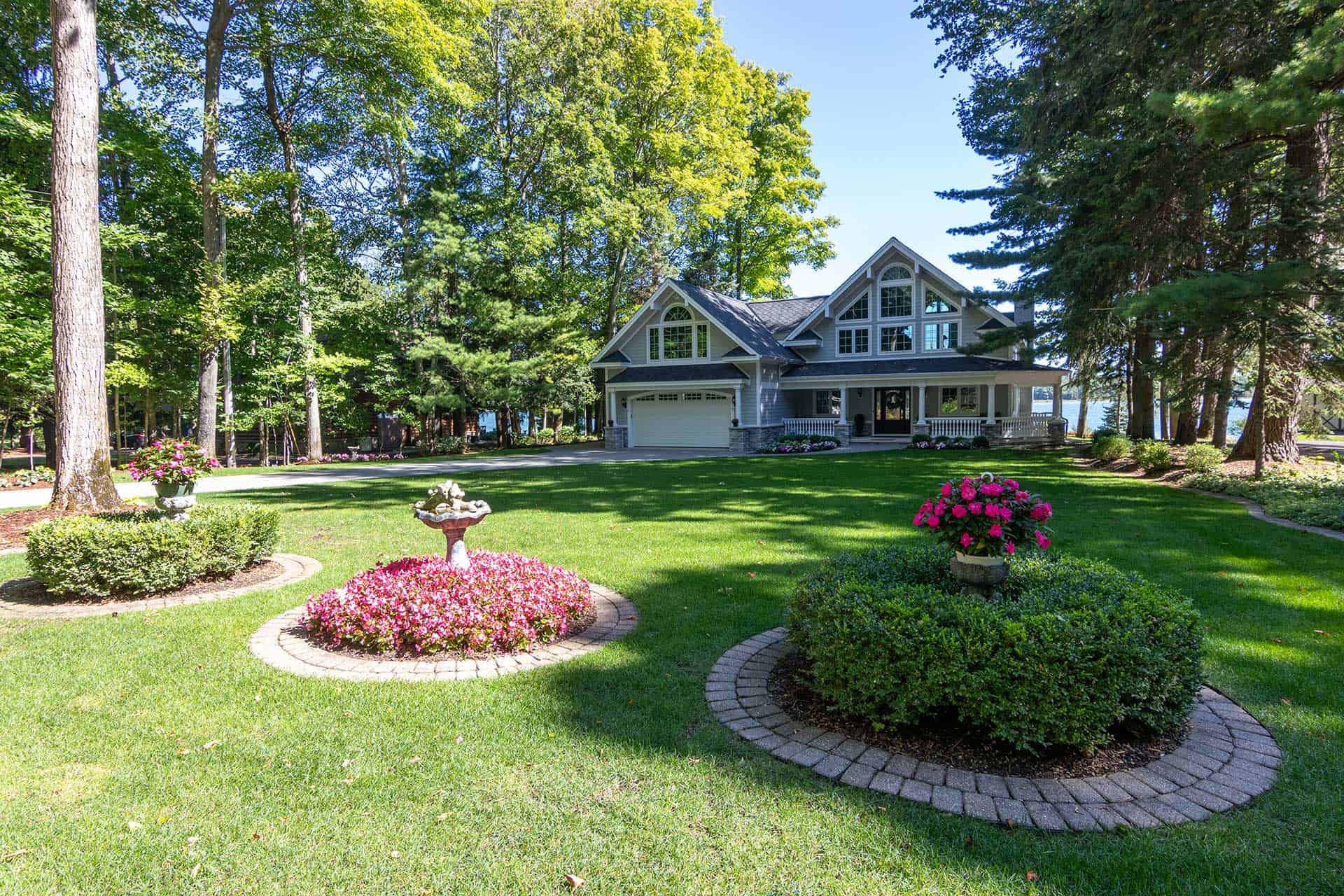
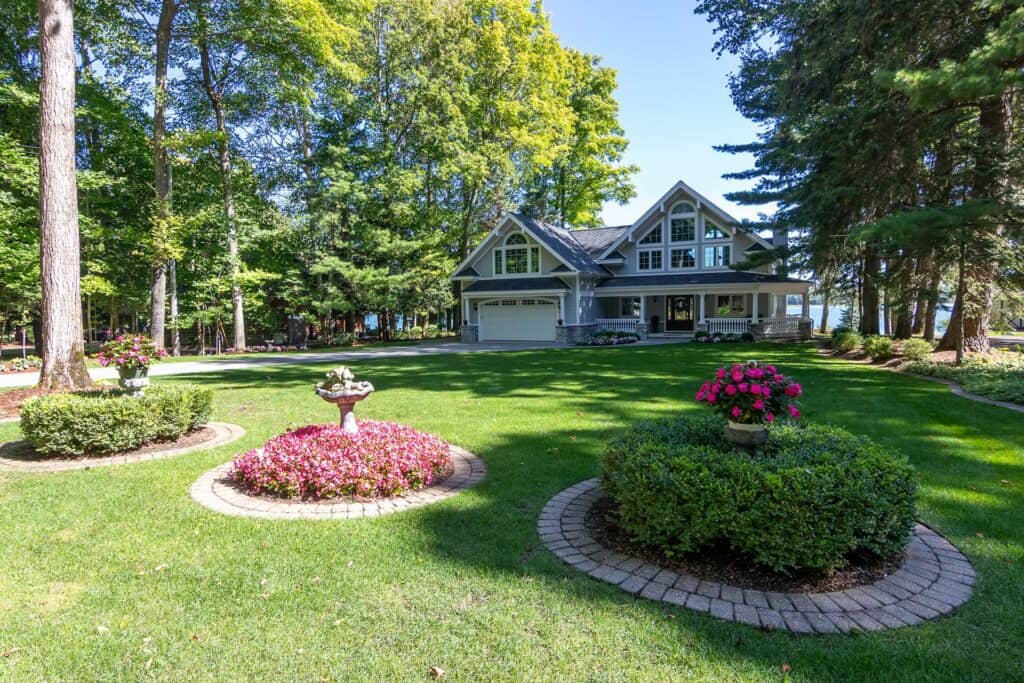
Easy-maintenance landscaping becomes increasingly valuable, allowing you to enjoy beautiful outdoor spaces without intensive upkeep. Choose native plants that thrive in our climate, install automatic irrigation, or design hardscaped areas that provide beauty with minimal maintenance.
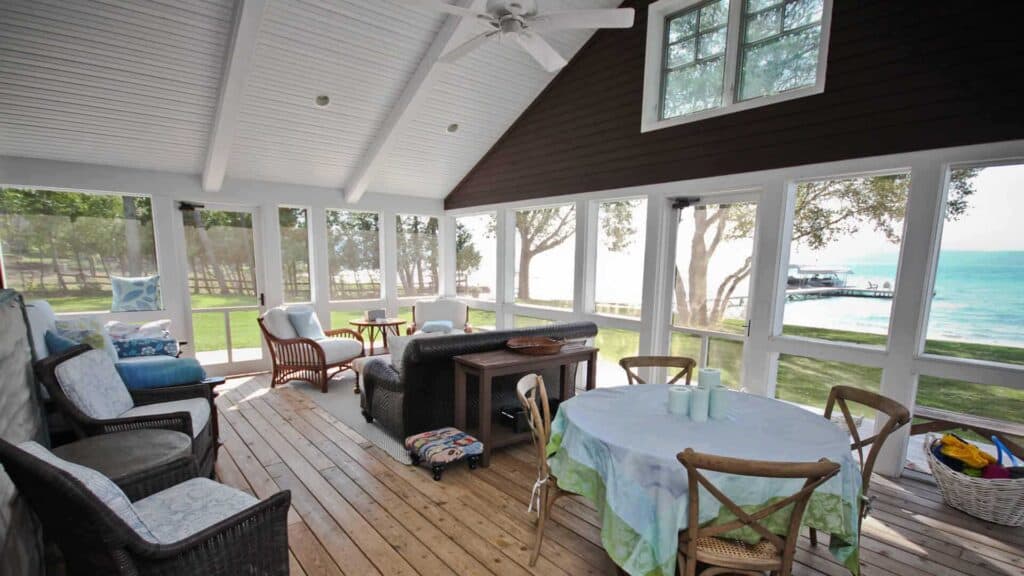
Weather protection through covered porches, screened areas, or retractable awnings extends outdoor space usability throughout our variable seasons while adding architectural interest.
How can I enjoy outdoor spaces as I age?
Design outdoor areas that remain comfortable regardless of mobility level. Create multiple seating areas at different levels, ensure smooth pathways to favorite spots, or incorporate raised planters for continued gardening without bending. Consider how indoor views connect to outdoor features for enjoyment during harsh weather.
Build Now vs. Prepare for Later: Strategic Planning
One advantage of working with experienced custom builders is making strategic decisions about immediate implementation versus future preparation.
Implement During Construction
Some features make the most sense during construction when walls are open and systems are being installed. Reinforced bathroom walls, wider doorways, electrical rough-in for future elevators, and proper drainage for potential ramps fall into this category. These preparations are invisible but save thousands in future modification costs.
Add Later Options
Other elements can be easily added after construction without major renovation. Grab bars, shower seats, lever-style door handles, and certain lighting upgrades can all be installed when they become helpful.
Planning Discussions
The key to successful planning is detailed design phase discussions about your long-term home vision. Consider family health history, lifestyle preferences, and future goals to identify which preparations make sense for your situation.
What should we discuss with our builder during the design phase?
Share your long-term vision for living in the home. Discuss family health considerations that might influence decisions, and be open about aging or mobility concerns. Walk through your design room by room, identifying opportunities to build in flexibility without compromising current needs or aesthetics.
Ask about cost differences between implementing features now versus preparing for them later. Work with builders who understand that aging-in-place design creates beautiful, comfortable homes that serve well through life’s changes.
Beyond the Basics: Luxury Aging-in-Place Features
For clients wanting advanced accessibility while maintaining highest design standards, numerous options seamlessly blend functionality with elegance.
Elevator-Ready Construction
Elevator-ready construction represents ultimate forward planning. During building, we can design and frame homes to easily accommodate future elevator installation without major structural modifications. This involves strategic mechanical chase placement, proper structural support, and electrical rough-in that remains invisible until needed.
Therapeutic Features
Walk-in tubs and therapeutic features can transform bathrooms into personal wellness retreats. Modern walk-in tubs include sleek designs with air jets, chromotherapy lighting, and heated surfaces that create spa experiences. Therapeutic showers with multiple body jets, steam capabilities, and built-in seating provide luxury and practical benefits.
Accessible Luxury Spaces
Accessible wine cellars and hobby spaces prove that aging-in-place design doesn’t mean giving up passions. Wine cellars with counter-height tasting areas, pull-out storage systems, and excellent lighting allow you to maintain collections regardless of mobility changes. Craft rooms, workshops, or studios can include adjustable work surfaces, organized storage, and comfortable seating that adapt over time.
Can aging-in-place design include luxury amenities?
Absolutely! Luxurious homes often incorporate extensive aging-in-place features that are virtually invisible. High-end resorts naturally include accessibility features because they prioritize comfort for all guests. Your custom home can embrace this philosophy with heated floors, automatic lighting, premium grab bars that look like towel bars, and shower systems providing luxury and safety.
Working with Your Custom Builder
Choosing the right builder for aging-in-place custom homes is crucial for achieving the perfect balance of beauty, functionality, and long-term livability.
Essential Builder Qualities
Look for builders who discuss universal design principles naturally and enthusiastically, rather than treating accessibility as special accommodation. They should have examples demonstrating seamless integration of aging-in-place features with luxury design.
Ask about their philosophy on aging-in-place design—do they see it as add-on service or integral part of thoughtful home design? Request examples where accessibility features are integrated into luxury design without obvious compromises.
Key Questions for Builders
Essential questions for initial consultations:
- Can you show examples of beautiful universal design?
- What features should we build now versus prepare for later?
- How do you approach aging-in-place without compromising style?
- What’s your experience with accessible luxury design?
- How do you handle Northern Michigan’s climate considerations?
- What professionals do you work with for accessibility consulting?
Communication Strategies
Communicate your long-term vision clearly and honestly. Discuss family health history, mobility concerns, and hopes for living in the home over coming decades. The right builder will listen carefully and help translate concerns into specific design strategies that address needs without creating institutional feelings.
How do I find a builder who understands aging-in-place design?
Look for builders with previous work demonstrating seamless integration of aging-in-place features with high-end design. Ask about relationships with occupational therapists or accessibility consultants—experienced builders maintain these connections for comprehensive client service.
Choose builders who listen carefully to concerns and respond with specific, thoughtful solutions rather than generic recommendations. At Lakeshore Custom Homes, we believe every home should be designed with the future in mind, working closely with each client to ensure homes serve beautifully throughout all life stages.
What makes a custom retirement home different from other homes?
Well-designed custom retirement homes anticipate lifestyle changes that come with this life phase. While younger families might prioritize play areas and homework zones, retirement home design focuses on comfort, maintenance ease, and spaces supporting activities you’ll enjoy most—entertaining, pursuing hobbies, or relaxing in beautiful surroundings. The key difference is intentional focus on features that reduce physical strain and increase convenience while maintaining luxury and style.
Conclusion: Investing in Your Future Self
Building a custom home represents one of your most significant investments—financially and emotionally. Incorporating aging-in-place design principles from the beginning extends far beyond construction details—you’re investing in decades of comfort, independence, and peace of mind.
The true value of universal design lies in the freedom it provides. Freedom from worrying whether your home will accommodate life’s changes. Freedom from major renovation stress later in life. Freedom to focus on what matters most—enjoying your home, family, and life.
Successful aging-in-place homes share a common characteristic: they don’t feel like homes designed for aging. Instead, they feel like homes designed for living well. Wider doorways create spaciousness. Main-floor master suites offer convenient luxury. Accessible bathrooms feel like personal spas.
The thoughtful design choices you make today represent gifts to your future self. They’re investments in dignity, comfort, and the ability to remain in the home you’ve carefully crafted to reflect your personal style and values.
Your home should be a source of joy and comfort throughout every life chapter. By incorporating universal design principles from the beginning, you’re ensuring that the custom retirement home you build today will continue serving you beautifully for decades to come.
Ready to discuss designing your forever home with both beauty and long-term livability in mind? Contact Lakeshore Custom Homes today to schedule a consultation and begin planning a home that will grow gracefully with you through every season of life.
Key Takeaways from This Series
- Universal design benefits all ages and abilities—features that help with mobility also improve daily convenience.
- Main floor living provides essential long-term comfort and flexibility.
- Strategic “build now” versus “prepare for later” decisions optimize your investment.
- Northern Michigan climate makes many accessibility features practical year-round benefits
- Modern accessible features seamlessly integrate with luxury design.
- The right builder partnership is crucial for achieving beautiful, functional aging-in-place design.
Thank you for following our three-part series on custom retirement home design. For more insights on custom home building, explore our other blog articles on smart home technology, energy efficiency, and luxury design trends.
Are you ready to make your dream home a reality?
Contact us today to make an appointment to discuss your home building plans. We’ll be with you every step of the way to guide you to the perfect home.





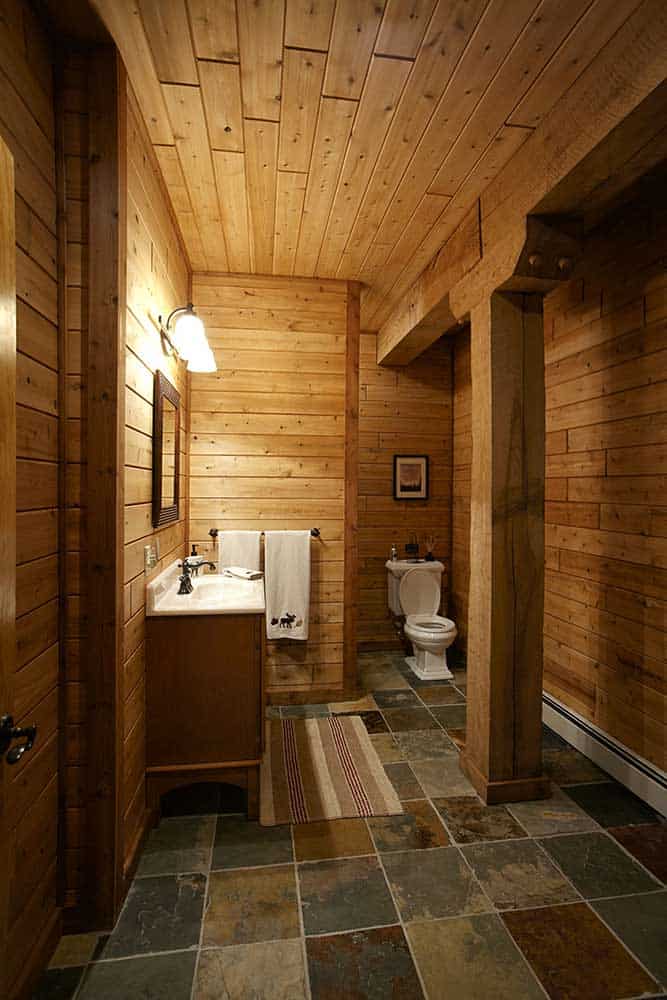


 A primary endeavor I was given working on this home was to preserve and refresh the existing beadboard cabinets, replicate them, adding additional beadboard cabinets in the same room. Attention to detail was of utmost importance as the room needed to look uniform. This required excellent finish carpentry skills.