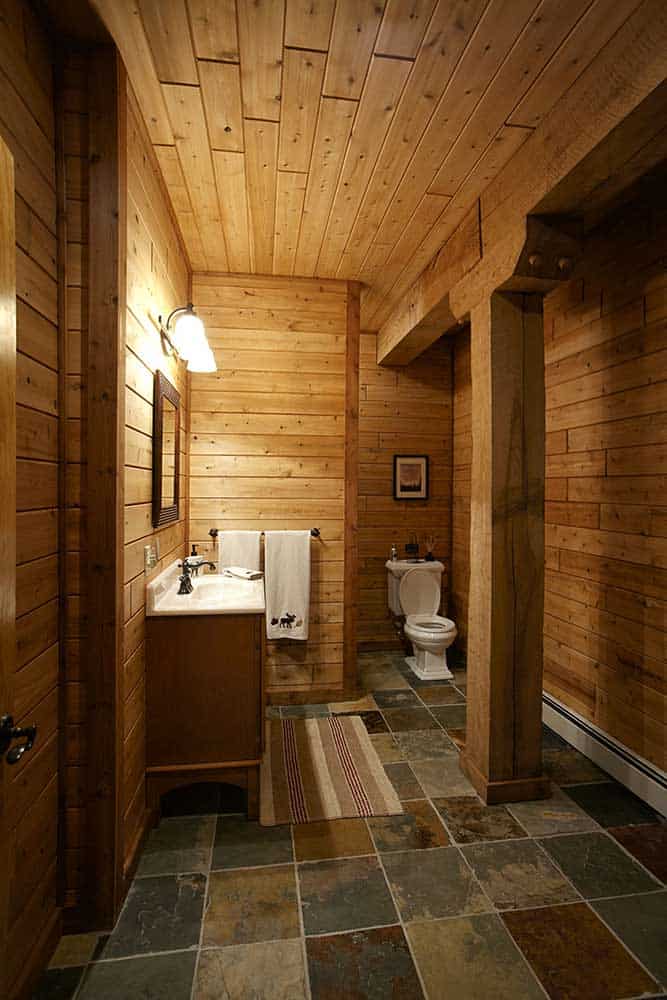
Working with Your Builder: Advanced Features and Strategic Planning for Your Custom Retirement Home - featured image

This is Part 3 of our three-part series on custom retirement home design.
[Read Part 1: Planning Your Custom Retirement Home]
[Read Part 2: Age in Place Home Design: Essential Features for Your Custom Retirement Home]

Choosing the right builder and understanding advanced aging-in-place options ensures your custom retirement home serves you beautifully for decades to come.

Room-by-Room Design Strategies

While we’ve covered broad universal design principles, specific room applications help visualize how these concepts work in practice.

Master Bedroom Essentials

Ground floor location eliminates daily stair navigation and creates relaxed flow between your private retreat and common areas. Direct bathroom access through wide doorways enhances privacy and convenience, particularly during illness or recovery.

Wide doorways throughout the bedroom area improve traffic flow and create spacious feelings. The 36-inch standard accommodates furniture movement while providing openness that characterizes quality custom homes.

Multiple lighting sources—bedside switches, dimmers, ambient and task lighting—allow you to adjust ambiance and ensure safe nighttime navigation.

Living Space Flow

Open floor plans naturally support aging-in-place goals while creating contemporary spaces most homeowners prefer. These layouts promote social interaction, improve sight lines, and eliminate navigation challenges from multiple doorways and tight spaces.

Clear sight lines between rooms enhance safety and social connection. Seeing from kitchen to family room, or entry to main living areas, creates spaciousness while allowing easy communication.

Adequate space for potential mobility aids doesn’t mean cavernous rooms. Instead, avoid furniture arrangements that create narrow pathways and ensure main traffic routes remain generous and unobstructed.

Comfortable seating heights make significant differences in daily comfort. Choose sofas and chairs that are neither too low nor too high, reducing strain when sitting and standing.

Outdoor Living Integration

Accessible patios and decks extend living space while ensuring you can enjoy Northern Michigan’s beautiful seasons comfortably for years. Level transitions from interior to exterior, or gentle ramps that look like natural design features, maintain indoor-outdoor flow.

Easy-maintenance landscaping becomes increasingly valuable, allowing you to enjoy beautiful outdoor spaces without intensive upkeep. Choose native plants that thrive in our climate, install automatic irrigation, or design hardscaped areas that provide beauty with minimal maintenance.

Weather protection through covered porches, screened areas, or retractable awnings extends outdoor space usability throughout our variable seasons while adding architectural interest.

How can I enjoy outdoor spaces as I age?

Design outdoor areas that remain comfortable regardless of mobility level. Create multiple seating areas at different levels, ensure smooth pathways to favorite spots, or incorporate raised planters for continued gardening without bending. Consider how indoor views connect to outdoor features for enjoyment during harsh weather.

Build Now vs. Prepare for Later: Strategic Planning

One advantage of working with experienced custom builders is making strategic decisions about immediate implementation versus future preparation.

Implement During Construction

Some features make the most sense during construction when walls are open and systems are being installed. Reinforced bathroom walls, wider doorways, electrical rough-in for future elevators, and proper drainage for potential ramps fall into this category. These preparations are invisible but save thousands in future modification costs.

Add Later Options

Other elements can be easily added after construction without major renovation. Grab bars, shower seats, lever-style door handles, and certain lighting upgrades can all be installed when they become helpful.

Planning Discussions

The key to successful planning is detailed design phase discussions about your long-term home vision. Consider family health history, lifestyle preferences, and future goals to identify which preparations make sense for your situation.

What should we discuss with our builder during the design phase?

Share your long-term vision for living in the home. Discuss family health considerations that might influence decisions, and be open about aging or mobility concerns. Walk through your design room by room, identifying opportunities to build in flexibility without compromising current needs or aesthetics.

Ask about cost differences between implementing features now versus preparing for them later. Work with builders who understand that aging-in-place design creates beautiful, comfortable homes that serve well through life’s changes.

Beyond the Basics: Luxury Aging-in-Place Features

For clients wanting advanced accessibility while maintaining highest design standards, numerous options seamlessly blend functionality with elegance.

Elevator-Ready Construction

Elevator-ready construction represents ultimate forward planning. During building, we can design and frame homes to easily accommodate future elevator installation without major structural modifications. This involves strategic mechanical chase placement, proper structural support, and electrical rough-in that remains invisible until needed.

Therapeutic Features

Walk-in tubs and therapeutic features can transform bathrooms into personal wellness retreats. Modern walk-in tubs include sleek designs with air jets, chromotherapy lighting, and heated surfaces that create spa experiences. Therapeutic showers with multiple body jets, steam capabilities, and built-in seating provide luxury and practical benefits.

Accessible Luxury Spaces

Accessible wine cellars and hobby spaces prove that aging-in-place design doesn’t mean giving up passions. Wine cellars with counter-height tasting areas, pull-out storage systems, and excellent lighting allow you to maintain collections regardless of mobility changes. Craft rooms, workshops, or studios can include adjustable work surfaces, organized storage, and comfortable seating that adapt over time.

Can aging-in-place design include luxury amenities?

Absolutely! Luxurious homes often incorporate extensive aging-in-place features that are virtually invisible. High-end resorts naturally include accessibility features because they prioritize comfort for all guests. Your custom home can embrace this philosophy with heated floors, automatic lighting, premium grab bars that look like towel bars, and shower systems providing luxury and safety.

Working with Your Custom Builder

Choosing the right builder for aging-in-place custom homes is crucial for achieving the perfect balance of beauty, functionality, and long-term livability.

Essential Builder Qualities

Look for builders who discuss universal design principles naturally and enthusiastically, rather than treating accessibility as special accommodation. They should have examples demonstrating seamless integration of aging-in-place features with luxury design.

Ask about their philosophy on aging-in-place design—do they see it as add-on service or integral part of thoughtful home design? Request examples where accessibility features are integrated into luxury design without obvious compromises.

Key Questions for Builders

Essential questions for initial consultations:

  • Can you show examples of beautiful universal design?
  • What features should we build now versus prepare for later?
  • How do you approach aging-in-place without compromising style?
  • What’s your experience with accessible luxury design?
  • How do you handle Northern Michigan’s climate considerations?
  • What professionals do you work with for accessibility consulting?

Communication Strategies

Communicate your long-term vision clearly and honestly. Discuss family health history, mobility concerns, and hopes for living in the home over coming decades. The right builder will listen carefully and help translate concerns into specific design strategies that address needs without creating institutional feelings.

How do I find a builder who understands aging-in-place design?

Look for builders with previous work demonstrating seamless integration of aging-in-place features with high-end design. Ask about relationships with occupational therapists or accessibility consultants—experienced builders maintain these connections for comprehensive client service.

Choose builders who listen carefully to concerns and respond with specific, thoughtful solutions rather than generic recommendations. At Lakeshore Custom Homes, we believe every home should be designed with the future in mind, working closely with each client to ensure homes serve beautifully throughout all life stages.

What makes a custom retirement home different from other homes?

Well-designed custom retirement homes anticipate lifestyle changes that come with this life phase. While younger families might prioritize play areas and homework zones, retirement home design focuses on comfort, maintenance ease, and spaces supporting activities you’ll enjoy most—entertaining, pursuing hobbies, or relaxing in beautiful surroundings. The key difference is intentional focus on features that reduce physical strain and increase convenience while maintaining luxury and style.

Conclusion: Investing in Your Future Self

Building a custom home represents one of your most significant investments—financially and emotionally. Incorporating aging-in-place design principles from the beginning extends far beyond construction details—you’re investing in decades of comfort, independence, and peace of mind.

The true value of universal design lies in the freedom it provides. Freedom from worrying whether your home will accommodate life’s changes. Freedom from major renovation stress later in life. Freedom to focus on what matters most—enjoying your home, family, and life.

Successful aging-in-place homes share a common characteristic: they don’t feel like homes designed for aging. Instead, they feel like homes designed for living well. Wider doorways create spaciousness. Main-floor master suites offer convenient luxury. Accessible bathrooms feel like personal spas.

The thoughtful design choices you make today represent gifts to your future self. They’re investments in dignity, comfort, and the ability to remain in the home you’ve carefully crafted to reflect your personal style and values.

Your home should be a source of joy and comfort throughout every life chapter. By incorporating universal design principles from the beginning, you’re ensuring that the custom retirement home you build today will continue serving you beautifully for decades to come.

Ready to discuss designing your forever home with both beauty and long-term livability in mind? Contact Lakeshore Custom Homes today to schedule a consultation and begin planning a home that will grow gracefully with you through every season of life.

Key Takeaways from This Series

  • Universal design benefits all ages and abilities—features that help with mobility also improve daily convenience.
  • Main floor living provides essential long-term comfort and flexibility.
  • Strategic “build now” versus “prepare for later” decisions optimize your investment.
  • Northern Michigan climate makes many accessibility features practical year-round benefits
  • Modern accessible features seamlessly integrate with luxury design.
  • The right builder partnership is crucial for achieving beautiful, functional aging-in-place design.

Thank you for following our three-part series on custom retirement home design. For more insights on custom home building, explore our other blog articles on smart home technology, energy efficiency, and luxury design trends.

Are you ready to make your dream home a reality?
Contact us today
to make an appointment to discuss your home building plans. We’ll be with you every step of the way to guide you to the perfect home.

Age in Place Home Design: Essential Features for Your Custom Retirement Home - featured image

This is Part 2 of our three-part series on custom retirement home design.
[Read Part 1: Planning Your Custom Retirement Home: Essential Aging-in-Place Considerations ]


Universal Design Features That Add Luxury and Function to Your Custom Home

The beauty of universal design lies in its subtlety. These aren’t special accommodations—they’re smart design choices that make daily life easier and more comfortable for everyone who enters your home.

Entrance and Accessibility

Your home’s entrance sets the tone for everything that follows, and it’s where universal design principles shine brightest.

Walkways and Approaches

Gradual approach walkways make life easier for everyone. They help during Northern Michigan’s long winters when ice creates treacherous conditions, make it easier to wheel luggage to the door, and assist with stroller navigation. When designed thoughtfully, gentle slopes look like natural landscaping features while providing practical winter benefits.

Doorway Widths

Wider doorways—particularly the 36-inch standard we recommend—create immediately more spacious feelings. You’ll appreciate this during furniture moves, when wearing bulky winter coats, or when hosting parties where guests flow naturally between rooms. The investment is minimal during construction but creates lasting daily benefits.

No-Step Entries

Eliminating steps or using minimal steps with gentle slopes removes daily navigation challenges. This becomes especially valuable during snowy seasons when steps become icy despite regular maintenance. It’s about year-round safety and convenience, not future mobility concerns.

Do I need to install ramps now, or can I prepare for them?

Smart preparation pays off. During construction, we can design entrances and walkways to easily accommodate future ramp installation without requiring them now. This means ensuring adequate space, proper drainage, and landscape features that could seamlessly incorporate ramps later.

Bathroom Design for Life

Perhaps nowhere is the intersection of luxury and accessibility more apparent than in thoughtfully designed bathrooms.

Curbless Showers

Curbless showers have become luxury bathroom signatures. They create seamless, open feelings that make modest bathrooms feel spacious and elegant. The uninterrupted floor plane is visually striking and easier to clean than traditional shower curbs. Most clients choose them for the sophisticated aesthetic—accessibility is a bonus.

Strategic Wall Reinforcement

Reinforced walls for future grab bar installation represent smart planning that costs almost nothing during construction but saves thousands later. We strategically reinforce shower areas and around toilets. If grab bars become helpful, they can be installed securely without major renovations. The reinforcement is invisible, maintaining your intended design.

Comfort Features

Comfort-height toilets have become quality construction standards, sitting about two inches higher than traditional models. Most people find them more comfortable regardless of age—they’re called “universal height” because they work better for nearly everyone.

Adequate maneuvering space isn’t just about wheelchairs—it’s about creating bathrooms that feel open and uncluttered. Generous space around fixtures makes cleaning easier, prevents cramped feelings, and allows comfortable movement when multiple people are getting ready.

Can accessible bathrooms still be luxurious and spa-like?

Absolutely! Luxury spa features are inherently accessible. Think about beautiful hotel bathrooms—they typically feature walk-in showers, comfortable seating, excellent lighting, and generous space. Modern accessible design includes heated floors, rainfall showerheads, built-in seating that looks like designer benches, and sophisticated lighting that provides excellent task visibility.

Kitchen Considerations

The kitchen is the heart of the home, and thoughtful design here makes daily life more enjoyable and efficient for years to come.

Multiple Counter Heights

Varied counter heights create visual interest while serving practical purposes. Standard 36-inch counters for most preparation, combined with 30-inch sections for seated work, and perhaps 42-inch bar areas for casual dining, accommodate different tasks and users naturally. This looks custom and sophisticated while ensuring kitchens work for people of different heights.

Storage Solutions

Pull-out shelving and deep drawers have become quality kitchen hallmarks because they make more sense than traditional cabinets. Instead of reaching into dark corners, everything is accessible with gentle pulls. This improves efficiency and organization for any cook.

Easy-reach storage keeps frequently used items within comfortable range. Design pantries with adjustable shelving, incorporate lazy Susans in corner cabinets, and ensure everyday dishes and ingredients are stored between hip and shoulder height.

Lighting Excellence

Good lighting and contrast make kitchen tasks safer and more pleasant. Under-cabinet LED lighting illuminates work surfaces, pendant lights over islands provide task lighting, and adequate ambient lighting ensures no corner is shadowed. High contrast between countertops and cabinets looks striking while helping with visibility.

How do I balance aging-friendly features with current cooking needs?

Universal design enhances cooking for serious chefs and casual cooks alike. Kitchen islands with multiple heights give better ergonomics for different tasks while creating visual interest. Pull-out shelves improve organization regardless of mobility level. Excellent lighting helps with food preparation whether you’re 30 or 70.

Structural and Safety Features

Beyond visible design elements, thoughtful structural choices create foundations for comfortable, secure living.

Lighting Strategy

Exceptional lighting is perhaps the most important safety feature in any home. Northern Michigan’s long winters make quality lighting essential, as we rely on artificial light much of the year.

Maximize natural light through thoughtful window placement and skylights. LED lighting throughout provides excellent illumination while being energy-efficient and long-lasting. Layer lighting with ambient, task, and accent options in each room.

Motion sensors for pathways add convenience and safety. Automatic lighting in hallways, bathrooms, and entries means never navigating dark spaces, whether getting up at night or coming home after dark.

Flooring Choices

The right flooring combines beauty, durability, and safety while enhancing aesthetics and providing practical long-term benefits.

Non-slip surfaces don’t have to look clinical. Today’s luxury vinyl planks, textured tiles, and properly finished hardwoods provide excellent traction while maintaining desired appearance. Choose materials with slight texture rather than completely smooth surfaces, particularly in areas that might get wet.

Smooth transitions between rooms create visual flow while eliminating tripping hazards. Rather than abrupt height or material changes, incorporate gentle transitions that look intentional and elegant.

Stairway Excellence

When homes include stairs, thoughtful construction details make them safer and more comfortable for everyone.

Wider treads and lower risers create comfortable climbing experiences that reduce fatigue. Going beyond building codes—perhaps 11-inch treads instead of 9-inch, or 7-inch risers instead of 8-inch—creates stairs that feel gracious and are easier to navigate, particularly when wearing boots or carrying items.

Solid handrails on both sides provide security and balance support everyone appreciates. Choose comfortable-to-grip handrails that extend slightly beyond top and bottom steps.

Excellent stairway lighting is non-negotiable. Include ambient lighting that illuminates entire staircases evenly, and accent lighting that highlights step edges.

Smart Home Integration

Technology can enhance independent living and daily convenience, but it works best when complementing good design rather than compensating for poor planning.

Voice controls and basic automation make daily tasks simpler for everyone. Adjust lighting, temperature, or music without getting up, or control systems when hands are full. These conveniences become particularly valuable during Northern Michigan winters.

Simple automation like programmable lighting that mimics natural daylight patterns helps combat winter blues while providing practical benefits. Automated door locks offer security and convenience.

Choose systems that are intuitive and reliable rather than overly complex. Technology should make life easier, not create challenges.

Looking Ahead

Coming Next: Part 3, Working with Your Builder: Advanced Features and Strategic Planning for Your Custom Retirement Home, will cover room-by-room design strategies, luxury accessibility features, and how to work effectively with your custom builder to achieve your aging-in-place goals.

Are you ready to make your dream home a reality?
Contact us today
to make an appointment to discuss your home building plans. We’ll be with you every step of the way to guide you to the perfect home.
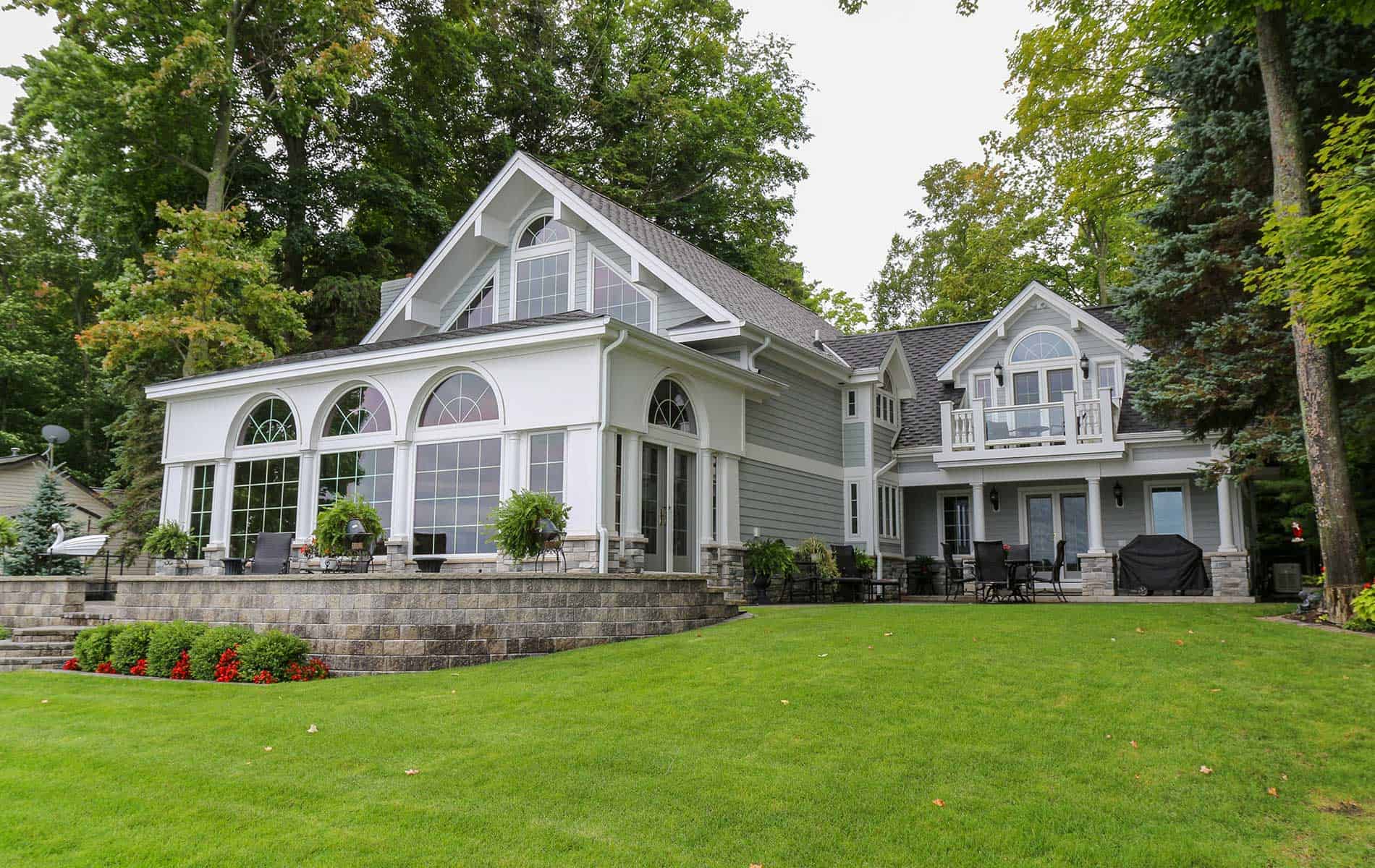
Planning Your Custom Retirement Home: Essential Aging-in-Place Considerations - featured image

Your dream home should grow with you, not limit you. Whether you’re planning your custom retirement home or looking ahead to decades in your future space, today’s choices shape tomorrow’s comfort.

At Lakeshore Custom Homes, we see homeowners thinking differently about their builds. Instead of planning to move every few years, they want homes that serve them beautifully through every life stage—from hosting grandchildren to enjoying quiet retirement mornings with coffee and lake views.

This isn’t just about preparing for old age. Universal design creates homes that work better for everyone, regardless of age or ability. Wider hallways make furniture moving easier. No-step entries eliminate struggles with groceries in the rain. A main-floor master offers convenience during temporary injuries or when caring for a new baby.

Building custom lets you incorporate these features from the ground up, creating a home that’s stunning today and represents a wise long-term investment. When designed expertly, aging-in-place features don’t compromise style—they enhance it.

What Does “Aging in Place” Really Mean?

“Aging in place” has evolved beyond seniors staying home rather than moving to assisted living. Today, it’s about designing for life’s inevitable changes—temporary injuries, mobility challenges, or natural aging. It’s creating a home that adapts to you.

Many people still picture sterile hospital corridors when they hear “accessible design.” Modern universal design is seamlessly integrated into beautiful architecture, often so subtly that visitors never notice the accommodations.

Won’t Universal Design Features Make My Home Look Institutional?

This is our most common concern, and it’s understandable. Today’s accessible design is often indistinguishable from luxury design. A curbless shower looks like a high-end spa feature. Wider doorways create spaciousness. Well-designed ramps look like attractive landscape features.

The key is working with builders who understand that accessibility and beauty are complementary. At Lakeshore Custom Homes, many of our most stunning design elements happen to be universally accessible.

The Financial Case for Future-Forward Design

Many homeowners focus on upfront costs, but that’s only part of the picture. The real question isn’t whether you can afford aging-in-place features—it’s whether you can afford not to include them.

How much more does it cost to build with aging in place in mind?

Many universal design features add little to no cost during construction. Wider doorways might add a few hundred dollars—minimal expense that would cost thousands to retrofit. Reinforced bathroom walls for future grab bars cost perhaps $50 in materials during construction, versus $1,500+ to retrofit later.

Retrofitting is expensive and disruptive. Bathroom accessibility modifications easily cost $15,000-$25,000, while incorporating the same features during construction adds a fraction of that.

Beyond avoiding renovation costs, homes with universal design features often see stronger resale values. As the population ages, buyers recognize the long-term value. A retirement home that accommodates multiple generations appeals to broader markets, potentially reducing sale time and increasing price.

There’s also the hidden cost of not planning: potentially needing to sell your beloved custom home because it no longer meets your needs.

Essential Main Floor Living Features

Main floor living has become popular for good reason. Having primary spaces on the entry level isn’t just practical—it creates relaxed, flowing lifestyles that many find appealing regardless of age.

Master Suite Placement

A main-level master offers immediate benefits beyond aging considerations. During illness or surgery recovery, you’ll appreciate avoiding stairs. New parents find main-floor masters invaluable during exhausting early months. There’s appeal in having your private retreat easily accessible from main living spaces.

Full Bathroom Access

A main-floor full bathroom serves multiple purposes throughout your home’s lifetime. Essential for guests, convenient for daily living, and flexible as households change. Whether hosting overnight visitors, managing temporary mobility limitations, or wanting a powder room that doubles as a full bath, this feature pays dividends.

Kitchen and Laundry Integration

Positioning kitchen, laundry, and primary living spaces on entry level creates natural flow and efficient routines. No more hauling laundry baskets up stairs. Meal preparation becomes social when kitchens flow into areas where family naturally gathers.

What If I Love Two-Story Homes—Can I Still Age in Place?

Absolutely! Many clients want the grandeur of two-story design. The key is ensuring all essential daily functions can happen on the main level. Design your main floor with everything necessary—master suite, full bath, kitchen, laundry, living spaces—while using upper levels for guest rooms, offices, or hobby spaces. You’ll enjoy the full house during active years but have flexibility to live primarily on one level if needed.

Northern Michigan Climate Considerations

Our harsh winters make many accessibility features practical year-round benefits, not just aging accommodations.

Gradual walkways help everyone navigate safely during icy months. Wider doorways accommodate bulky winter coats and boots. No-step entries eliminate daily challenges with potentially slippery steps when carrying packages or when visibility is reduced by snow.

These features aren’t about limitations—they’re about practical Northern Michigan living that happens to provide long-term flexibility.

Getting Started: Key Questions

As you begin planning your custom retirement home, consider these essential questions:

  • How do you envision using your home in 10, 20, or 30 years?
  • What family health considerations might influence design?
  • Which features should be built now versus prepared for later?
  • How can design choices enhance your current lifestyle while providing future flexibility?

Next Steps

In our next article, we’ll explore specific universal design features that add both luxury and function to your custom home—from spa-like accessible bathrooms to chef-friendly kitchen layouts that work for everyone.

Are you ready to make your dream home a reality?
Contact us today
to make an appointment to discuss your home building plans. We’ll be with you every step of the way to guide you to the perfect home.

Multigenerational Custom Homes in Northern Michigan - featured image

Designing Multigenerational Custom Homes: Features for Today’s Extended Family Living

Multigenerational living is experiencing a renaissance in Northern Michigan’s Grand Traverse, Benzie, and Leelanau counties. This thoughtful housing trend brings sophisticated solutions to families seeking togetherness and independence under one roof.

According to the Pew Research Center, approximately 18% of the U.S. population now lives in homes with two or more adult generations—a number that has quadrupled since 1971.¹ This trend accelerated after the 2008 recession and gained momentum during the pandemic. Northern Michigan’s spacious waterfront properties naturally accommodate extended families while maintaining premium lifestyle expectations.

¹ Source: Pew Research Center, “A Record 64 Million Americans Live in Multigenerational Households”(April,2018)
https://www.pewresearch.org/short-reads/2018/04/05/a-record-64-million-americans-live-in-multigenerational-households/

Why Multigenerational Living is Growing in Northern Michigan

Financial Benefits

Combining resources allows families to invest in premium waterfront properties that provide better long-term appreciation than separate homes. Shared property taxes, utilities, and maintenance costs enable investment in higher-quality materials and finishes.

Elegant Aging-in-Place Solutions

Multigenerational homes offer dignified solutions for aging parents who want independence with nearby support. Private suites with universal design elements accommodate changing mobility needs without sacrificing aesthetics, which is particularly valuable during Northern Michigan’s challenging winter months.

Remote Work Flexibility

The shift toward remote work enables young professionals to return to Northern Michigan while maintaining careers elsewhere. Home office spaces allow family members to work professionally while enjoying the region’s natural beauty, with built-in childcare support from grandparents.

Waterfront Legacy Properties

Northern Michigan’s stunning shorelines transform multigenerational designs into legacy assets meant to remain in families for generations, becoming settings for family stories that unfold across decades.

Essential Design Features for Luxury Multigenerational Homes

Private Owner’s Suites

Multiple primary bedroom suites positioned strategically throughout the home provide retreat spaces for different family units. Consider placing one suite on the main level for aging parents and another on an upper floor with water views. Each suite should include luxurious private bathrooms and sufficient closet space.

In-Law Apartments with Separate Entrances

Dedicated apartment-style spaces with private entrances include kitchenettes, living areas, bedrooms, bathrooms, and sometimes laundry facilities. These apartments often feature outdoor living spaces oriented toward different viewsheds, providing separation while remaining connected.

Multi-Cook Kitchen Designs

Expanded island workspaces, multiple sinks, dual dishwashers, and professional-grade appliances allow simultaneous meal preparation. Butler’s pantries can serve as secondary kitchen spaces for multiple family members preparing different meals.

Soundproofing and Privacy

Strategic bedroom placement away from high-traffic areas, sound-dampening insulation, solid-core doors, and quality windows ensures peaceful coexistence. Entertainment rooms require additional soundproofing to prevent disturbance.

Universal Design Elements

Forward-thinking homes incorporate zero-threshold entries, wider hallways (36-42 inches), thoughtfully designed grab bars, curbless showers, varied counter heights, and lever-style door handles. In Northern Michigan’s snowy climate, heated driveways and walkways reduce fall hazards.

Smart Home Technology

Integrated systems, including programmable lighting, multi-zone climate control, smartphone-accessible security, and sophisticated entertainment systems, enhance living experiences across generations. Automated window treatments optimize lake views while managing solar gain.

Shared Spaces That Bring Families Together

Grand Gathering Spaces

Great rooms with soaring ceilings, dramatic fireplaces, and wall-to-wall windows showcasing water views create impressive settings for family gatherings. Built-in window seats provide contemplative spots while remaining part of the larger space.

Multi-Functional Great Rooms

Versatile spaces transition seamlessly from casual daily use to formal entertaining, with distinct conversation areas, game tables, and media viewing options. Furniture should accommodate different body types and ages.

Outdoor Living Areas

Multi-level decks and patios create distinct zones for dining, conversation, reading, and play. Covered areas are protected from sun and rain, extending the usability of outdoor space throughout the season.

Entertainment Spaces

Dedicated rooms combining traditional elements like billiards and modern gaming systems appeal to generations. Home theaters and indoor-outdoor entertainment areas with retractable glass walls maximize waterfront views.

Privacy Solutions in Multigenerational Design

Strategic Floor Plans

Organize homes into distinct zones or wings around central gathering spaces, positioned on different levels connected by gracious staircases and elevators. Waterfront properties offer opportunities for designs with central living spaces flanked by private wings.

Advanced Sound Insulation

Luxury homes benefit from double-wall construction, acoustic ceiling treatments, specialized floor insulation, and strategic mechanical system placement to minimize noise transfer.

Multiple Laundry Facilities

Dedicated laundry spaces serving different wings eliminate daily friction points. Include main-floor and upper-level rooms with high-efficiency, quiet appliances, oversized utility sinks, and drying cabinets.

Separate HVAC Systems

Individual climate control or sophisticated zoning allows different generations to maintain preferred temperatures—crucial in Northern Michigan, where winter preferences vary significantly.

Private Outdoor Spaces

Secluded patios, private balconies, and intimate garden spaces provide necessary respite alongside communal areas.

Future-Proofing Your Multigenerational Custom Home

Flexible Spaces

Design rooms with adaptability in mind—studies that convert to bedrooms, bonus rooms serving as additional living quarters, and basement areas pre-plumbed for future expansion.

Technology Integration

Future-ready homes incorporate evolving technology infrastructure with conduits for future wiring, strategically located equipment closets, and easily accessible connection points.

Energy Efficiency Systems

Investments in superior insulation, high-performance windows, energy-efficient appliances, and renewable energy systems reduce operating costs while providing environmental benefits.

Resale Value Considerations

Maintain broad market appeal through flexible spaces, sensitively integrated universal design elements, and timeless material selections. Waterfront properties benefit from designs that maximize views and outdoor living opportunities.

Conclusion

Designing a multigenerational custom home in Northern Michigan represents an investment in your family’s future and a commitment to creating spaces where meaningful connections flourish. The unique character of Grand Traverse, Benzie, and Leelanau counties—with stunning water views, four-season beauty, and close-knit communities—provides an ideal setting for these legacy properties.

Are you ready to make your dream home a reality?
Contact us today
to make an appointment to discuss your home building plans. We’ll be with you every step of the way to guide you to the perfect home.

Pre-Construction Planning Tips: Building Your Dream Custom Home in Northern Michigan - featured image

The journey to your dream home begins long before the first shovel breaks ground. At Lakeshore Custom Homes, we’ve guided countless families through the pre-construction planning process, transforming visions into stunning custom homes across Northern Michigan’s picturesque landscapes. Whether you dream of a lakefront retreat or a woodland sanctuary, proper planning lays the foundation for a smooth building experience and exceptional results.

Understanding the Pre-Construction Phase

Pre-construction planning is the most critical stage in your custom home-building journey. Every aspect of your future home takes shape during this phase—from initial concepts to detailed blueprints, from budget frameworks to material selections. Thorough planning now prevents costly changes and delays later.

The benefits of thorough planning include:

  • Clarity in Vision and Goals: The first step is to know what you want from your new home. Detailed planning helps focus your ideas and ensures that every decision is made with a clear objective.
  • Cost Efficiency: Early planning allows you to outline a realistic budget, allocate funds appropriately, and identify potential areas for cost savings before unforeseen expenses arise.
  • Risk Mitigation: Pre-construction planning minimizes surprises during the building process by anticipating challenges, from zoning issues to environmental concerns.
  • Streamlined Communication: A comprehensive plan is a shared reference for architects, builders, and contractors, ensuring all parties work towards the same goals.

Timeline Expectations

The pre-construction phase typically spans 3-6 months, depending on project complexity. This timeframe allows for:

  • Site analysis and environmental assessments
  • Architectural design and engineering
  • Permit acquisitions
  • Material selections and procurement planning
  • Contractor scheduling and coordination

Rushing this crucial stage often leads to oversights that manifest as challenges during construction. Investing appropriate time upfront ensures your project proceeds efficiently when building begins.

Selecting the Perfect Property

Northern Michigan offers diverse landscapes for your custom home. Before purchasing land, consider these factors:

Access and Infrastructure

  • Road access: Is the property accessible year-round? Northern Michigan winters can make seasonal roads impassable.
  • Utilities: Determine if water, sewer, natural gas, and high-speed internet are available or if alternatives like wells, septic systems, and propane will be necessary.
  • Proximity to amenities: Consider your comfort level with distance to grocery stores, healthcare facilities, and other services.

Site Characteristics

  • Topography: Significant slopes may require specialized foundation designs or extensive grading.
  • Soil composition: Sandy, rocky, or clay-heavy soils present different building considerations.
  • Natural features: Existing trees, rock formations, and water features may impact building placement and design.

Regulatory Considerations

  • Zoning restrictions: Verify building setbacks, height limitations, and permissible uses.
  • Conservation easements: Some properties carry restrictions protecting natural features.
  • Homeowners associations: If applicable, review architectural guidelines and approval processes.

Waterfront Property Considerations

As specialists in waterfront construction, we understand the unique challenges and opportunities these special properties present. Building your dream home on Northern Michigan’s stunning lakeshores requires additional planning:

Environmental Regulations

Waterfront properties face stricter regulatory oversight, including:

  • Shoreline protection zones: Most water bodies have protected buffer zones limiting development within certain distances of the water.
  • Wetland regulations: Adjacent wetlands may be protected, affecting where and how you can build.
  • Permitting requirements: Multiple agencies, including the Michigan Department of Environment, Great Lakes, and Energy (EGLE), may require permits for shoreline work.

Site Planning for Optimal Water Views

Maximizing lake views requires strategic planning:

  • Elevation strategies: We often design homes with inverted floor plans, placing main living areas on upper floors for panoramic views.
  • Window placement: Strategic window sizing and positioning capture views while maintaining energy efficiency.
  • Outdoor living spaces: Connecting indoor and outdoor spaces through decks, screened porches, and patio areas enhances the waterfront living experience.

Erosion and Water Management

Protecting your investment requires addressing water-related challenges:

  • Erosion control: Proper landscaping, native vegetation, and sometimes engineered solutions prevent shoreline erosion.
  • Foundation considerations: Waterfront properties often require specialized foundation systems to address high water tables.
  • Stormwater management: Designing adequate drainage prevents runoff damage to the shoreline ecosystem.

Material Selection for Lakefront Durability

Waterfront homes face additional environmental stresses:

  • Wind resistance: Structures exposed to open water experience stronger winds, requiring reinforced framing and roofing systems.
  • Moisture protection: Enhanced moisture barriers, specialized siding, and proper ventilation prevent water damage and mold.
  • Corrosion-resistant hardware: Salt-free fresh water still accelerates corrosion, making quality hardware essential.

Assembling Your Team

Building a custom home requires a coordinated team of professionals. Start assembling this team early in your planning process:

Architect Selection

Choose an architect experienced with Northern Michigan’s building conditions and design traditions. Look for professionals who:

  • Have portfolios showcasing varied designs rather than repetitive styles
  • Understand energy efficiency in northern climates
  • Listen attentively to your needs rather than imposing their vision
  • Collaborate effectively with builders

Builder Partnership

At Lakeshore Custom Homes, we believe early builder involvement leads to better outcomes. Your builder contributes valuable insights about:

  • Budget implications of design decisions
  • Construction feasibility
  • Material availability and lead times
  • Energy efficiency strategies specific to your site

Additional Specialists

Depending on your project, consider involving:

  • Interior designers
  • Landscape architects
  • Energy efficiency consultants
  • Smart home technology integrators

Budgeting Realistically

Establishing a comprehensive budget prevents unpleasant surprises:

Beyond Construction Costs

Your total budget should include:

  • Land acquisition and site preparation
  • Architectural and engineering fees
  • Permit costs
  • Construction expenses
  • Landscaping
  • Furnishings and decorative elements
  • Contingency funds (typically 10-15% of construction costs)

Cost Factors Unique to Northern Michigan

Building in our region involves specific considerations:

  • Seasonal timing: Winter construction requires temporary heating and protection, increasing costs
  • Remote locations: Transportation expenses for materials and workers affect rural builds
  • Local material availability: Some specialty items require longer lead times and shipping costs

Value Engineering

If your dream exceeds your budget, we help identify modifications that preserve your vision while controlling costs, such as:

  • Phasing non-essential features for future implementation
  • Substituting similar-looking materials at different price points
  • Simplifying complex architectural details

Design Considerations for Northern Michigan Living

Our region’s climate and lifestyle shape successful home designs:

Weather Resilience

  • Snow load capacity: Roofs must withstand significant snow accumulation
  • Thermal barriers: Superior insulation and high-performance windows minimize heat loss
  • Entry transitions: Mudrooms and garages designed for winter gear storage and snow removal

Seasonal Adaptability

  • Indoor-outdoor connections: Screened porches extend living seasons
  • Passive solar design: Strategic window placement captures winter sun while minimizing summer heat gain
  • Flexible gathering spaces: Accommodating both intimate family time and larger summer gatherings

Navigating Permits and Regulations

Understanding and managing the permitting process prevents delays:

Common Permits Required

Most projects need:

  • Building permits
  • Electrical, plumbing, and mechanical permits
  • Well and septic permits (for properties without municipal services)
  • Driveway/access permits
  • Soil erosion permits

Waterfront-Specific Approvals

Lakefront properties often require additional permits from:

  • Michigan Department of Environment, Great Lakes, and Energy
  • U.S. Army Corps of Engineers (for navigable waterways)
  • Local watershed councils or lake associations

Technology Planning

Incorporate technology infrastructure during planning rather than as an afterthought:

Connectivity Considerations

  • Internet options: Research available providers and speeds at your location
  • Cell service: Verify coverage or plan for signal boosters if needed
  • Backup systems: Consider generators or battery backup for power outages

Smart Home Integration

  • Structured wiring: Plan comprehensive networking and entertainment cabling
  • Automated systems: Consider integrated lighting, HVAC, security, and audio-visual systems
  • Energy monitoring: Incorporate systems to track and optimize energy usage

The Path Forward

As you contemplate building your custom home in Northern Michigan, remember that thorough pre-construction planning creates the foundation for success. At Lakeshore Custom Homes, we guide you through each step, ensuring your vision becomes reality while navigating the complexities of custom construction.

Your journey begins with discussing your dreams, needs, and expectations. We invite you to contact our team to explore how our comprehensive pre-construction planning process can help you create a home perfectly suited to Northern Michigan’s distinctive landscape and your unique lifestyle.

Whether you envision a contemporary lakefront retreat or a traditional woodland sanctuary, proper planning transforms possibilities into the custom home you’ll cherish for generations.


Please view our portfolio to see examples of some of the finest homes in Northern Michigan.

Are you ready to make your dream home a reality?
Contact us today
to make an appointment to discuss your home-building plans. We’ll be with you every step of the way to guide you to the perfect home.

Advantages of Spray Foam Insulation in New Homes - featured image

Updated 12/15/2023

Are you building a new home and considering which insulation to use? With so many new home insulation options, it can be overwhelming to make a decision. However, one type of insulation that is gaining popularity is spray foam insulation.

Let’s take a look at why using spray foam insulation in new homes has become one of our most popular options here at Lakeshore Custom Homes!

Traditionally, fiberglass batts or blown-in cellulose have been the go-to insulation choices for homes. However, spray foam insulation offers many advantages that make it an attractive option for new home construction.

Spray foam insulation can provide superior insulation, air sealing, and moisture control, and reduced energy consumption compared to traditional insulation methods.

What is Spray Foam Insulation?

Spray foam insulation is a two-component material that expands and hardens upon application, creating an insulating and air-sealing barrier. This foam sticks to surfaces, fills gaps and provides a barrier that prevents air leakage and helps keep heat inside during cold weather and outside during hot weather, making the building more energy efficient.

Two spray foam insulation types exist:

  1. Open-cell spray foam: This type of foam has a lower density and expands more upon application. The resulting foam structure has interconnected cells, which allows for some air and moisture permeability. Open-cell spray foam has a lower R-value per inch (typically around 3.5 to 4 per inch) than closed-cell foam, but it can still provide adequate insulation and soundproofing. It is generally more affordable than closed-cell foam.
  2. Closed-cell spray foam: With a higher density and more compact cell structure, closed-cell foam forms a rigid, impermeable barrier that resists moisture and air infiltration. In addition, it has a higher R-value per inch (typically around 6 to 7 per inch), making it a more effective insulator. The closed-cell foam adds structural strength to the building and is more water damage-resistant. However, closed-cell spray foam is usually more expensive than open-cell foam.

Spray foam insulation is applied using specialized equipment that mixes and sprays the two liquid components onto the surface to be insulated, such as walls, ceilings, or floors. The foam expands to fill gaps, cracks, and crevices, conforming to the shape of the cavity and forming a continuous, airtight insulation layer.

 What Are the Benefits of Spray Foam Insulation?

Using foam insulation when building a house in Northern Michigan offers several advantages due to the region’s cold climate and unique environmental conditions. Some of the main benefits include:

  • High R-value: Foam insulation provides a high R-value per inch, which measures the material’s resistance to heat flow. This means better thermal performance, ideal for insulating houses in cold climates.
  • Air sealing: Foam insulation, especially spray foam, can fill wall cavities, gaps and cracks, forming an air barrier. This reduces drafts and air infiltration, increasing the home’s energy efficiency and comfort.
  • Moisture resistance: Closed-cell foam insulation can resist moisture, potentially preventing mold and mildew growth, particularly in areas with high humidity or water exposure.
  • Structural strength: Closed-cell spray foam can add structural strength to walls and roofs, increasing the overall stability and durability of the building.
  • Pest resistance: Foam insulation is less attractive to pests such as rodents and insects than other insulation materials, reducing the likelihood of infestations.
  • Soundproofing: Foam insulation offers better soundproofing than other insulation materials, helping to reduce noise transmission between rooms and from outside the house.
  • Ease of installation: Spray foam insulation can be easily applied to difficult-to-reach areas, such as around electrical outlets, plumbing, and irregularly shaped spaces, ensuring complete coverage and improved insulation performance. This reduces the time and effort needed during the installation process, saving labor costs, and minimizing disruptions to the construction timeline.
  • Longevity and durability: Foam insulation has a long lifespan and maintains its performance characteristics over time, reducing the need for replacement or maintenance.
  • Energy savings and lower energy bills: The enhanced insulation performance of foam materials can lead to significant energy savings, reducing heating and cooling costs for homeowners in Northern Michigan’s cold climate.
  • Environmentally friendly: Some foam insulation products are made from renewable or recycled materials, reducing the environmental impact of the insulation. Additionally, energy savings from using foam insulation contribute to reduced greenhouse gas emissions.
  • Overall, using foam insulation when building a house in Northern Michigan can provide numerous benefits regarding energy efficiency, comfort, durability, and environmental impact. These advantages make foam insulation popular for homeowners and builders in cold climates.

 Frequently Asked Questions

What are the differences between open-cell and closed-cell spray foam insulation?

Open-cell foam has a lower density, lower R-value per inch (around 3.5 to 4) and is more permeable to air and moisture. As a result, it is generally more affordable than closed-cell foam. On the other hand, closed-cell foam has a higher density and R-value per inch (around 6 to 7) and forms a rigid, impermeable barrier that resists moisture and air infiltration. It also adds structural strength to the building.

How much does spray foam insulation cost?

The cost of spray foam insulation is determined by various factors, including the type of material used (open-cell or closed-cell), labor costs, and the size and complexity of the project. On average, open-cell foam costs between $0.35 to $0.55 per board foot, while closed-cell foam costs between $1.00 to $1.50 per board foot.
Please note that pricing is subject to change, and the size and scope of the project can influence the final price.

What is the R-value of spray foam insulation?

The R-value of open-cell spray foam is typically around 3.5 to 4 per inch, while the R-value of closed-cell spray foam is around 6 to 7 per inch. The R-value measures the material’s resistance to heat flow, with higher R-values providing better insulation performance.

Is spray foam insulation safe for my home and the environment?

Spray foam insulation is generally considered safe when installed correctly by professionals. However, it can release chemicals during installation and curing, so proper ventilation and safety precautions are crucial. In addition, some spray foam products are made from renewable or recycled materials, making them more environmentally friendly. In contrast, the energy savings associated with foam insulation can reduce greenhouse gas emissions.

How long does spray foam insulation last?

Spray foam insulation has a long lifespan and can maintain its performance characteristics for decades. In addition, it is resistant to degradation and settling, which makes it a durable insulation solution.

Does spray foam insulation provide soundproofing benefits?

Yes, spray foam insulation benefits soundproofing by reducing noise transmission between rooms and outside the house. Open-cell foam is particularly effective at absorbing and dampening sound due to its less dense and more porous structure.

How does spray foam insulation affect indoor air quality?

During installation and curing, spray foam insulation can release chemicals and VOCs (volatile organic compounds) that can affect indoor air quality. Therefore, proper ventilation and safety precautions during installation are essential. However, once cured, spray foam insulation typically does not emit significant VOCs or contribute to poor indoor air quality. Since the insulation is applied early in the initial construction timeline, this is rarely a concern for the homeowner when the house is completed.

What are the energy savings associated with spray foam insulation?

Spray foam insulation can yield significant energy savings due to its high R-value, air-sealing properties, and moisture resistance. Of course, the energy savings will depend on the home’s design, local climate, and occupant behavior, but homeowners can expect reduced heating and cooling costs.

Can spray foam insulation be applied to any surface or area in my home?

Spray foam insulation can be applied to various surfaces and areas, including walls, ceilings, floors, attics, and crawl spaces. It is instrumental in hard-to-reach or irregularly shaped spaces where traditional insulation materials may not provide complete coverage.

Can spray foam insulation cause damage to my home or its structural components?

When installed correctly, spray foam insulation should not cause damage to your home or its structural components. However, improper installation or using the wrong type of foam for a specific application can result in issues such as trapped moisture, mold growth, or structural damage. Therefore, working with a professional installer must ensure the correct foam type and proper installation techniques are followed.

Which is the correct type of spray foam insulation for my project?

Consider factors such as the desired R-value, moisture resistance, structural reinforcement, and budget when choosing the right type of spray foam insulation. Consulting with a professional installer or energy auditor can help you make an informed decision based on your specific needs and home characteristics.

What other insulation options are there besides spray foam?

There are several alternatives to spray foam insulation, each with its advantages and disadvantages. Some popular options include:

  • Fiberglass batts: These pre-cut sections of insulation made from fine glass fibers are popular due to their affordability and ease of installation, though they may not provide the same air sealing as spray foam.
  • Mineral wool: Also known as rock wool or slag wool, mineral wool is made from rock, slag, or recycled materials. It offers excellent fire resistance and soundproofing properties but can be more expensive than fiberglass.
  • Cellulose: Made from recycled paper products, cellulose insulation, is an eco-friendly option. It can be blown in or installed as dense-packed cellulose, providing good thermal performance and soundproofing. However, it may settle over time, reducing its effectiveness.
  • Rigid foam board: Rigid foam insulation, made from various types of plastic, is available in different thicknesses. It has a higher R-value per inch than fiberglass or cellulose and is often used in exterior applications or new construction.

Deciding On What Type of Insulation to Use

When choosing an insulation material, consider factors such as R-value, moisture resistance, air sealing capabilities, environmental impact, fire resistance, soundproofing properties, and cost. The right insulation for your new home will depend on your specific needs and budget.

In conclusion, spray foam insulation is a great choice for building energy-efficient homes as it provides a high R-value, air-sealing properties, and moisture resistance.

At Lakeshore Custom Homes, we specialize in building energy-efficient homes using spray foam insulation. We have an experienced team of installers who can help you ensure your new home is properly insulated and sealed for maximum energy efficiency.

Please view our portfolio to see examples of some of the finest homes in Northern Michigan.

Are you ready to make your dream home a reality?
Contact us today
to make an appointment to discuss your home-building plans. We’ll be with you every step of the way to guide you to the perfect home.

Lake House Zoning Considerations - featured image

Updated 11/26/2024

Before you can begin construction of your new lake house, you must apply for a building permit. The requirements for the building permit include submitting a site plan and having a land use permit. Both of which require complying with local zoning ordinances.

It is important to understand that zoning ordinances vary by each township, and their interpretation can be difficult. This is why it is essential to thoroughly research the ordinances and anticipate how they may apply to your situation. Also, note that zoning may apply differently to existing structures versus new construction.

Building a waterfront or lakeshore home means paying particular attention to specific zoning rules governing bodies of water, streams, and wetlands. This is important to understand before applying for site plan and building permits. Lakeshore Custom Homes has years of experience and we can guide you through this process and help you avoid costly mistakes.

Why Zoning?

Zoning ordinances are intended to regulate land use for the greater good of the community.

Local zoning ordinances define what use is allowable. Zoning laws also help assure that homes will be built in compliance with the Michigan State Construction Code and the Department of Public Health.

Zoning defines what uses are approved and describes non-buildable areas and non-conforming uses.

Understanding the zoning for a parcel of land is essential, especially before purchasing the land, so your intended use doesn’t conflict with the ordinance. Of course, you can petition for a variance, but that can be challenging.

Examples of zoning that affects building a Lakehouse

  • Setbacks are common requirements for all new home construction, but bodies of water create special rules that must be factored into your site design.
  • Townships, such as Frankfort, Empire, Leland, or Suttons Bay for example, with Lake Michigan frontage will also define the Waterfront Setback Datum.
  • Zoning ordinances usually regulate boat houses. For example, Glen Arbor township restricts the number of stories and height of boathouses but makes no setback restrictions regarding shorelines.
  • Docks, shoreline retaining walls, and dredging also fall under zoning ordinances.
  • Lake Access easement is another consideration when planning to build a lakefront home. Most townships outline flood insurance requirements.
  • Lot coverage, or the amount of area that your home will occupy, is another definition that you need to be mindful of when planning your new home and any other structures. Sometimes lots, especially smaller ones, may not accommodate the floorplan that you have in mind.
  • Of special note to building in Northern Michigan are the Michigan Wetlands Protection Act, the Shorelands Protection and Management Act, and the Michigan Sand Dunes Protection and Management Act. We are well versed in complying with each of these and can advise you if your property is affected by these laws.

Lakeshore Custom Homes pays attention to all the details that make for an extraordinary home. Our attention to these details helps make your home-building experience less stressful and more enjoyable.

Be sure to read our article, Things to Consider Before Building A Lake House, for more waterfront home construction tips and ideas.

Please view our portfolio to see examples of some of the finest homes in Northern Michigan.

Are you ready to make your dream home a reality?
Contact us today
to make an appointment to discuss your home building plans. We’ll be with you every step of the way to guide you to the perfect home.
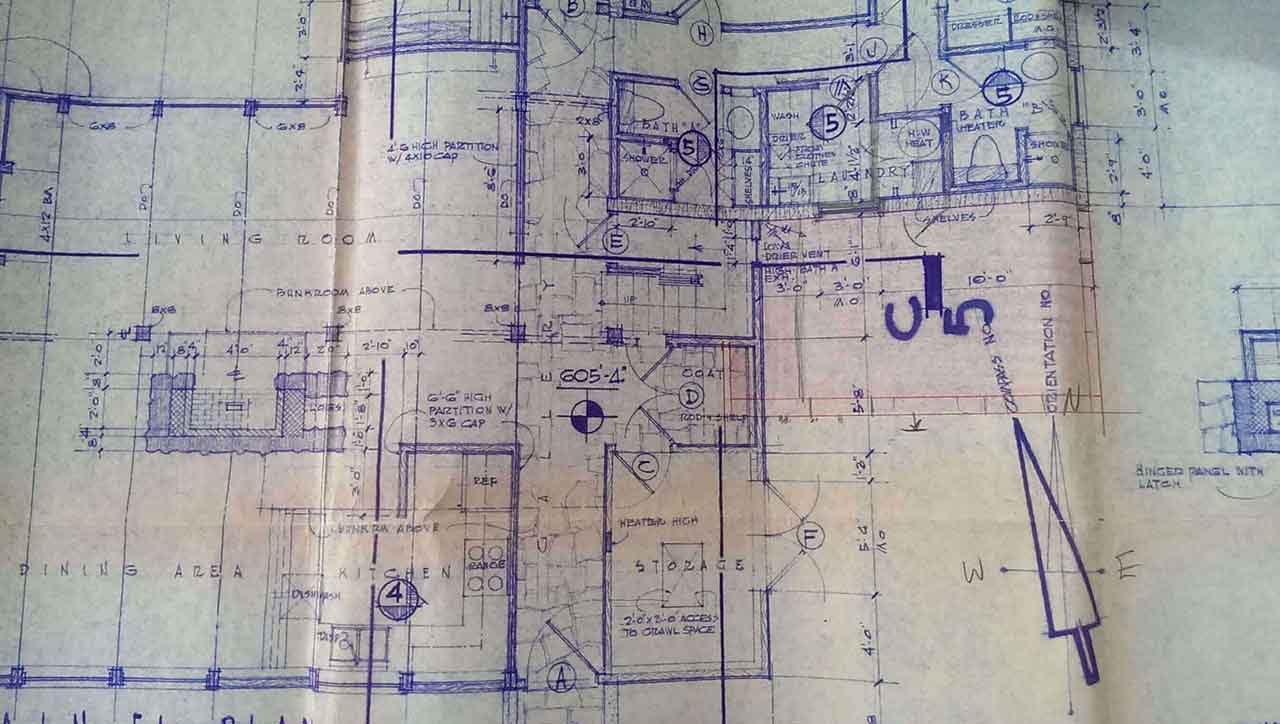
Building an Energy Efficient Custom Home - featured image

(Updated 9/16/25)

Energy Efficiency Considerations for Northern Michigan Custom Homes

When planning your Northern Michigan custom home, energy efficiency is a special consideration, especially with the harsh winters we often experience.

One of the best things about building a new custom home is that it lets you get things right from the start. The planning stage is the perfect opportunity to make sure all the things you wish were different in your current home are done right when planning and building your new home. When building an energy-efficient custom home, we consider various factors determining efficiency.

Home Layout and the Sun

When designing your home, keep in mind how the sun will track across the property throughout the day and each season. Will windows receive adequate light or too much? How will this affect your heating and cooling? Will you need additional daytime interior lighting to be comfortable? Will you use solar panels, and will they have adequate direct sunshine?

Trees and landscaping can help or hinder. Shade is welcome, but trees can sometimes block sunlight where you would otherwise want it. Will you need to plant, trim, or remove trees?

Insulation

Insulation serves two purposes; It retains heat during the winter and keeps heat out in summer. As a result, insulation is one of the most cost-effective ways to improve your home’s energy performance. And, of course, it is always easier and less expensive to add insulation during the construction process rather than later.

While many brands and types of insulation are available, the most critical factor is their proper use and installation based on your actual blueprint and design. We discuss this with each prospective customer to offer the absolute best outcome.

Regardless of the insulation type, Lakeshore Custom Homes always follow the manufacturer’s guidelines and instructions to ensure the best performance and longevity.

Sealing and Caulking

We pay special attention to sealing places that can allow air to enter or exit the home. These places can also allow moisture in as well. Typically, these locations are windows and doors, and where exhaust fans, dryer vents, plumbing, electrical outlets, and utilities penetrate through exterior walls or roofing.

We apply the appropriate caulk or sealant depending on the location, the materials to be sealed, and any additional flashings or fittings.

We are incredibly attentive to sealing and insulating where the sill plate, band board, and floor joists meet. These can lead to energy losses if not tended to properly.

Windows and Doors

Energy-efficient windows and proper installation, sealing, and insulation can significantly impact your energy efficiency.

Strategic Window Placement for Maximum Efficiency

Window placement is both an art and a science in Northern Michigan’s climate. Strategic positioning can capture beneficial winter sun while preventing summer overheating. Still, the specifics depend entirely on your site’s unique characteristics—topography, existing trees, neighboring structures, and seasonal sun patterns. During the design and planning phase, we’ll work with you to optimize window placement for your specific property.

Window Treatments and Energy Efficiency

Window treatments, curtains, and blinds also influence your windows’ overall energy efficiency. The right window treatments can boost your windows’ energy performance by 25-40%:

    • Cellular Shades: Create an additional insulating air space, especially effective on large south-facing windows.
    • Insulated Drapes: Heavy, lined drapes provide substantial R-value improvement during cold nights.
    • Exterior Shutters and Awnings: Particularly effective for controlling summer solar gain on east and west exposures.

We recommend ENERGY STAR® rated windows from Andersen, Marvin, Simonton, and Windsor. Each company offers a wide variety of styles and finishes and has warranties that back up their quality.

Garage Doors are often overlooked; an insulated garage door can significantly impact energy efficiency, especially for attached garages or those with living space above.

Also, see our in-depth article Choosing Windows For Your Custom Home.

Heating and Cooling

Now that your future home will be well insulated and properly sealed, an energy-efficient heating and cooling system will perform even better. Properly sizing the heating and cooling system to match the size of your home is important. This allows the system to operate efficiently and to be the most cost-effective.

Today’s heating technology offers some great options for Northern Michigan homes. High-efficiency gas furnaces provide reliable, cost-effective heating. At the same time, modern heat pumps have improved dramatically and now work well even in our cold climate. For homeowners interested in maximum efficiency, geothermal systems use the earth’s stable underground temperatures for both heating and cooling. Smart controls like programmable thermostats and zoning systems make it easy to optimize comfort automatically—especially helpful for seasonal residents or families who want different temperatures in different areas of their home.

During the planning stage, we’ll evaluate your specific site conditions and family’s needs to recommend the heating solutions that make the most sense for your custom home.

Ductwork

One area that is frequently overlooked is ductwork. Part of doing it right from the very start includes sealing ducts. Unfortunately, in the hundreds of feet of ductwork in a typical home, there are countless places where air can leak. Air losses here only make your heating and cooling system work that much harder and drives up utility bills.

Sealing the seams of your ductwork prevents air from escaping and improves the efficiency of your heating and cooling system. This reduces energy losses, helps control moisture, and creates a more temperature-stable environment.

Insulating ductwork where it passes through crawl spaces will also increase your heating and cooling efficiency and help control condensation and moisture.

Solar Electric

Solar panels are gaining popularity in Northern Michigan. This is due to more efficient panels, favorable tax incentives for homeowners, and cooperation with electric utility companies to buy excess power produced by individual homeowners. If you are considering a solar system, we can work with you and our electricians to ensure that your needs are met.

Water Heaters

Selecting the right size water heater that meets your needs is an important decision. Overly large heaters can waste energy and money. Too small can do the same (not to mention being annoying and inconvenient). On-demand  or tankless water heaters might be the right choice and can be used with traditional water heaters to provide adequate and timely hot water when and where you need it. We also insulate all hot water pipes to help keep the water warm and reduce energy costs.

Household Appliances

Besides heating and cooling, your major appliances, such as refrigerators, ranges, ovens, washers, and dryers, account for most of your utility costs. Look for ENERGY STAR® ratings when selecting these. Don’t forget lightbulbs, home entertainment, and computers either.

Smart Home Features

Technology can help automatically manage your heating, cooling, and lighting costs. For additional information, see our article that discusses Smart Homes in detail.

Backup Generators

While not necessarily related to energy efficiency, Northern Michigan weather makes backup power worth considering. Planning during construction saves significant costs versus retrofitting.

We can ensure that the electric system is designed to accommodate a generator. Even if you don’t install one right away, this can save you time and money should you decide to install one later.

Electric Vehicle Preparation

We install 220V outlets in garages and size electrical panels for future EV charging, ensuring your home stays current with transportation trends.

The Bottom Line

A well designed energy-efficient custom home in Northern Michigan delivers:

  • $1,500-3,000 annual energy savings compared to conventional construction
  • Consistent comfort throughout all seasons
  • Better indoor air quality and reduced maintenance
  • Higher resale value through modern, efficient systems
  • Future-ready infrastructure for solar, EVs, and smart home technology

Your Next Step

Creating an energy-efficient custom home requires careful planning and expert execution. At Lakeshore Custom Homes, we integrate energy-efficient technologies with beautiful design, ensuring your investment delivers both comfort and long-term value.

View our portfolio to see examples of some of the finest homes in Northern Michigan.

Are you ready to make your dream home a reality?
Please contact us today
to make an appointment to discuss your home-building plans. We’ll be with you every step of the way to guide you to the perfect home.

Moisture Control for Your Northern Michigan Custom Home - featured image

Moisture control is one of the most critical concerns when building a quality custom home. Northern Michigan’s climate has abundant rain and snow that must be managed to maintain a dry and healthy home.

Excess or unwanted moisture inside your home can lead to mold and mildew, wood rot, damage insulation, and even attract termites and other pests.

Lakeshore Custom Homes takes special care and consideration when planning and building your new home, from the foundation to the roof and everything in between.

Keeping Moisture Out of The Home Is the First Line of Defense

Site Prep and Foundation

Preparing your building site is the very first step. Next, we examine the building site and determine the proper grading to help move water away from the house.

Then the foundation is designed with drainage to move water away from the house. Next, waterproof coatings are added to the exterior of the foundation to keep moisture out. Finally, depending on the water table, a sump pump system may be required and, if so, designed to evacuate the water efficiently.

Vapor barriers are used in crawl spaces to prevent moisture that can rise from the soil.

Siding

Before exterior siding is applied, we wrap the home with a water-resistant membrane. This membrane protects the wood from any moisture that might find its way past the siding and protects the home during construction. In addition, we use treated wood in appropriate locations to ensure longevity.

This wrap is carefully overlapped into window and door openings so that when the windows and doors are installed, a waterproof barrier is present to help avoid moisture from finding its way inside. In addition, windows and doors receive flashings to create an overlapping physical barrier and help move moisture away from their framework.

Any holes to accommodate exhaust fans, dryer vents, plumbing, electrical outlets, and utilities also receive similar treatment to keep moisture out. Additionally, caulking is used where necessary to create a pliable seal that can accommodate temperature changes and avoid cracking over time.

Roofing

Modern roofs are designed to move water, ice, and snow away from the house and protect the underlying insulation and air gap within the attic space.

Shingles and a water-resistant underlayment protect the underlying roofing materials and allow the water to drain away. In addition, gutters and downspouts provide a means to direct the water further away from the home and foundation.

Regardless of which roofing material you choose, we always follow the manufacturer’s installation guidelines to achieve the best results and protect your investment.

Special attention is given to roof valleys, dormers, gables, chimneys, skylights, and vents since these all need appropriate flashings.

Ventilation of the attic area is essential so that this space remains dry and allows the insulation to create an effective thermal barrier. In addition, ventilation helps eliminate condensation that can occur as outside temperatures fluctuate. Soffit and ridge vents are the most common method of achieving this. However, other techniques might be used depending on your individual home design.

Special Considerations for Ice and Snow

During the freezes-thaw cycle of winter and as winter ends and spring arrives, melting snow and ice need proper drainage.

Step flashings are critical in northern Michigan due to our large snowfalls. We are mindful of how snow may drift and accumulate on your roof. When the snow melts, it could seep behind the siding. To prevent this, we install appropriate flashing that creates an additional barrier and directs the moisture away.

Ice barriers prevent water from collecting between the edge of the shingles and the underlying wooden roof structure. A special membrane underlayment is used to protect the wooden roof decking. Heated eaves are a potential option that can help prevent ice dams. Contact us so we can discuss the pros and cons of this based on your roof and home design.

Controlling Moisture Inside Your Home

While Northern Michigan isn’t terribly humid, our changing seasons and variable weather mean that all homes will have a certain degree of moisture inside.

One of the ironies of creating a tightly sealed home is that while it can keep moisture out, it can also trap moisture inside. This means that extra attention to ventilation is important.

Cooking and bathing are two significant sources of moisture that can be controlled with ventilation. Range hoods and bathroom ventilation fans are the norms in modern homes.

Condensation from central air systems can be controlled by insulating ductwork. In addition, whole-house dehumidifiers and moisture extraction systems can help manage the interior air humidity making your home healthier and more comfortable.

Winter will usually mean a drop in humidity. While this is welcome to an extent, too dry of air can make it feel cold, damage wooden furniture, lead to dry, itchy skin and eyes, and can even impair one’s immune system. A well-planned heating and cooling system can address both summer humidity and winter dryness.

Landscaping

Landscaping can play an essential role in managing moisture too. In addition to grading, what you plant can assist in helping to absorb water and minimize erosion. Certain plants absorb more moisture from the soil than others. Also, be sure to leave enough space between the house and shrubs and plants to promote airflow.

Avoid planting trees with wide-spreading root systems, as these can crack or damage the foundation or drainage system. Keep this in mind if your home has a leech field and septic system.

Please view our portfolio to see examples of some of the finest homes in Northern Michigan.

Are you ready to make your dream home a reality?
Contact us today
to make an appointment to discuss your home-building plans. We’ll be with you every step of the way to guide you to the perfect home.

Keeping it Clean – New Construction House Cleaning - featured image

Updated 6/24/2024
At Lakeshore Custom Homes, we take great pride in maintaining clean and organized job sites throughout construction. A clean work environment enhances professionalism and improves safety and productivity. Regular cleaning routines help minimize hazards and keep our team focused on their tasks. This level of cleanliness should be standard practice for all builders, but unfortunately, it isn’t.

New Construction House Cleaning

Choosing Lakeshore Custom Homes as your builder guarantees a meticulous approach to construction, where cleanliness and organization are prioritized at every stage. From the initial rough clean to the final, detailed touch-up, Lakeshore Custom Homes ensure a safer, more efficient, and higher quality building process.

This rigorous cleaning regimen minimizes hazards, accelerates project timelines, and enhances the build’s overall quality. For homeowners, this means a smoother move-in experience, reduced stress, and a truly turn-key home ready for immediate enjoyment.

By choosing Lakeshore Custom Homes, you invest in a builder committed to delivering a superior final product through a clean, organized, professional construction environment.

New construction house cleaning is essential for several reasons and offers numerous benefits:

A More Efficient and Safe Workplace

  • Safety: Keeping the construction site clean reduces the risk of accidents and injuries by removing debris and potential hazards.
  • Efficiency: A clean site allows workers to move more freely and efficiently, leading to faster completion times.
  • Quality Control: Regular cleaning helps identify and address issues early, ensuring higher quality workmanship.
  • Compliance: Clean sites are safer, help protect workers’ safety, and help reduce costs for everyone involved.

Benefits to the Homeowner

  • Enhanced Appearance: A clean site provides a better visual representation of the project’s progress and final appearance.
  • Higher Quality: A well-maintained site often results in a higher quality build, allowing for better inspection and attention to detail.
  • Reduced Stress: Homeowners experience less stress and anxiety when they see their investment handled professionally and safely.
  • Smooth Move-In: A thoroughly cleaned new home allows the homeowner to move in without the hassle of an initial deep cleaning.

Overall, new construction house cleaning ensures a safer, more efficient, and higher quality building process, ultimately benefiting the homeowner by delivering a superior final product.


New construction house cleaning differs from what many consider “residential cleaning.”

It consists of three phases: A Rough Clean, Maintenance Clean, and Final Clean.

  1. Rough Clean

    The “rough” clean-up is performed once the exterior walls and framing of the project are complete. Large debris is removed from the interior as well as the exterior of the building. It generally involves a rough sweep/shop vac of the floors. The goal is to remove and haul away as much debris as possible, remove materials no longer being used, and eliminate as much dust as possible from the work area (including heating vents).

  2. Maintenance Clean

    The “rough” clean-up is performed once the exterior walls and framing of the project are complete. Large debris is removed from the interior as well as the exterior of the building. It generally involves a rough sweep/shop vac of the floors. The goal is to remove and haul away as much debris as possible, remove materials no longer being used, and eliminate as much dust as possible from the work area (including heating vents).

  3. Final Clean

    The “final” clean-up is performed once all the construction has ended and the building is complete. This phase is quite detailed:

      1. Stickers and decals must be removed from all surfaces, including interior and exterior windows.
      2. Putty, paste, and adhesive are removed from floors, tubs, sinks, and showers.
      3. All cabinets and drawers must be vacuumed to remove the dust and then wiped clean.
      4. Floors and carpets are cleaned.
      5. Light fixtures, mirrors, appliances, counters, ceiling fans, vents, hardware, and cabinetry are cleaned.

    A touch-up is sometimes required at the end if a contractor needs to address something on a punch list.

The end result is a turn-key, walk-in-ready home. If you are looking for a reputable builder, don’t hesitate to contact me at Lakeshore Custom Homes at (231) 642-0724.

Sincerely,

Chris Mason, Owner

Please view our portfolio to see examples of some of the finest homes in Northern Michigan.

Are you ready to make your dream home a reality?
Contact us today
to make an appointment to discuss your home-building plans. We’ll be with you every step of the way to guide you to the perfect home.

Choosing Siding For Your Custom Home - featured image

Siding is also one of the first things you notice about a home; it can and should be beautiful! Choosing siding for your new home offers you many choices in materials, textures, and colors. The options are nearly limitless. With today’s materials, there are very few limitations. So what style do you have in mind: board and batten, shake shingles, clapboard, stucco, or perhaps a rustic log home look?

Beyond appearance, siding also serves a functional purpose being the outermost part of your home. It’s the first defense against rain, snow, and wind. This is especially important considering Northern Michigan’s harsh winters! Think of siding as armor for your house. It protects your insulation and the underlying structure of your walls from the elements, helps reduce noise, and can add to the structural integrity of your home. Siding also plays a role in retaining warmth in the winter and keeping the heat out in the summer.

Types of Siding For Your Home

Most homes will use a combination of materials to achieve your desired look. When deciding on siding options, you should consider aesthetics, energy efficiency, durability, and maintenance.

Brick

Brick is a classic choice. It is durable, low-maintenance, and holds up to extreme conditions. Often it is used as an accent material. Brick veneer is another option that gives the appearance of brick at a lower cost.

Stone

Stone siding gives a stunning appearance. Like brick, it is typically used as an accent. The styles and color options are available in either genuine or cultured. Weather and insect resistance is excellent, and insulation values vary.

Wood Siding

Real Cedar is a beautiful and smart choice for siding. Cedar is a durable wood that is naturally resistant to rot, decay, and insects and has good insulation properties. These natural properties mean whatever you build with it will last longer and require less maintenance. In addition, natural Cedar is beautiful, versatile, and is a sustainable building product.

Engineered Wood Siding

Engineered wood siding, like LP Smart Siding, is a composite material made from natural wood and enhanced to make it more robust, durable, and versatile than traditional wood. Like traditional wood, LP Smart Siding has an insulation R-value greater than conventional vinyl siding. Additional advantages include fire, water, and impact resistance, and it is safe from insect damage.

Fiber-Cement Siding

Fiber-cement siding offers the look of wood at a lower cost. However, it has a different insulation value than other materials can offer. It also requires more maintenance (painting and caulking) and can absorb moisture. Chipping and cracking are other long-term concerns.

Vinyl Siding

Vinyl siding is the least expensive option but also the least durable. In addition, it is more prone to wind damage than other materials. It is available in various styles, colors, and textures.

Final Thoughts

When choosing siding, you will want to consider the overall appearance of your home. What color roofing as well as trim? What about landscaping or lightscaping? All of these influence the overall look of your home, and small changes can have a dramatic effect.

Please view our portfolio to see examples of some of the finest homes in Northern Michigan.

Are you ready to make your dream home a reality? Let our experience guide you through selecting the right siding style and materials.
Call us today or use the Contact form to start planning your new home!

Choosing Windows For Your Custom Home - featured image

(Updated 2/12/2023)

Choosing windows is one of the most important decisions when designing your custom home. Windows play a critical role since they have such a significant impact on your home. Windows provide both aesthetic beauty and serve functional purposes. Attention to detail in the planning and design phases can reap substantial rewards in both cost savings and the long-term enjoyment of your new home.

Beautiful Views

Chances are that the location of your home has a beautiful view. Windows are much like a picture frame, accentuating the view and emphasizing architectural lines. From inside, windows and trim complement your view. From the outside, windows provide character and beauty to the overall look of your home.

Planning for Sunlight

Of course, windows allow natural light into your home. However, how light falls into a room can bring out other design details and provide a comfortable setting for your daily activities. Consider how you will use each room, the time of day (or night), where the sun is throughout the day, and how it varies according to seasons. These considerations also play into what additional artificial lighting you will need. These considerations help select the appropriate style and size of windows and locations within each room.

Another concern is UV light filtering. Constant exposure to sunlight can age and damage carpets, furniture, and most anything else that is exposed for long periods. Many windows are available with UV filtering that can reduce exposure and potential damage.

Durability and Weather

Northern Michigan has harsh winters, so durability is an important consideration. If your home is on the water, especially larger lakes like Crystal Lake, Glen Lake, and especially Lake Michigan, then additional protection from high winds and storms are another concern.

High winds, rain, and snowstorms can challenge ordinary windows. Andersen, Marvin, and Simonton brands offer coastal-grade windows that address these concerns. Impact-resistant glass, additional structural reinforcements, enhanced cladding, and weather sealing create a window that protects your home in the harshest of conditions and remains beautiful.

Winter weather also brings low temperatures. Double-paned windows (now commonplace) and triple-pane windows offer even more energy savings. In addition, ENERGY STAR® rated windows help reduce heating and cooling costs.

A well-designed window also helps reduce noise too. This can be especially nice during storms or if you have an active waterfront or family.

Convenience

You’ll also want to consider convenience when selecting windows. How easily can you open and close the window? Is one style easier than another? What about cleaning? Will you want screens? You may wish to consider how a window style may work or appear with an awning.

Security

A unique optional feature from Andersen is their VeriLock® Sensors. Integrated with a home security system, you can detect whether a window is open or closed and if it is locked. This is primarily a nice feature for those with summer or part-time homes. In addition, you can easily see the status from a smartphone app when leaving home or checking up remotely.

Recommended Window Brands

Lakeshore recommends Andersen, Marvin, Simonton, and Windsor windows. Each company offers various styles and finishes and has warranties that back up their quality for your peace of mind.

Please view our portfolio to see examples of some of the finest homes in Northern Michigan.

We have experience working with each of these brands, and we welcome an opportunity to discuss your custom home plans. So call us today or use the Contact form to start planning your new home!


Helpful Resources

Andersen YouTube Channel

Lakehouse Foundations and Septic Systems - featured image

It is said that you are never more than six miles from a body of water in Michigan. Michigan also has the longest freshwater coastline in the world. We are very fortunate to have such an abundance of water! No wonder so many people dream of owning a waterfront home.

When you envision your perfect home on the water, you probably think of the beautiful views, the sunsets, boating, and swimming, or the calming effect water has on many of us. But with all the idyllic charm comes the reality that building a custom waterfront home can be challenging due to the very nature of waterfront property.

When building a waterfront home, foundations and septic systems are two unique challenges. Let’s take a closer look at each of these.

Water Tables, Foundations, and Basements

Having a home near water usually means a high water table. However, many things determine your actual water table, including soil type, drainage, and distance from the body of water.

The water table will influence your foundation design, and a full basement might not be an option. State and local building codes also play a role in determining the requirements for your home’s foundation.

During the planning stage, a survey of the property can help determine the elevation of your basement and other critical points in relationship to the water table and the base flood elevation for the surrounding properties. This will help determine whether a full basement is practical or a crawlspace is more appropriate. An Elevation Certificate can be issued by the surveyor and is an essential for obtaining flood insurance.

Water drainage also needs to be considered when planning your new home. Managing water away from the foundation can be facilitated in many ways, including French drains, gutters, landscaping, and vegetation.

Based on your individual situation and house design, we will design and build a foundation that is appropriate for your conditions and will endure the unique natural forces that waterfront properties face. While this may sound daunting, rest assured that Lakeshore Custom Homes has years of experience building custom waterfront homes in unique settings.

Septic Systems for Waterfront Homes

A well-designed and properly functioning septic system safeguards ground water and nearby lakes and streams from contamination. Obviously if you are investing in a waterfront home, you want to be assured that you will have safe drinking water and be able to enjoy your lake to its fullest while protecting your investment.

Factors that affect the design of a home septic system include:

  • Household size
  • Soil type
  • Site slope
  • Proximity to bodies of water

In most cases, a traditional septic system will be approved by your local health department, however in special circumstances, there are many other alternative design options. We are experienced working with the county health departments and local building inspectors. We will advise you on the design and placement of septic systems and wells.

Please view our portfolio to see examples of some of the finest homes in Northern Michigan.

Are you ready to make your dream home a reality?
Contact us today
to make an appointment to discuss your home-building plans. We’ll be with you every step of the way to guide you to the perfect home.

Lake Home Site Selection Tips - featured image

(Updated 2/16/2023)

A home on the lake is a dream for many. You envision the perfect spot, lake or stream, summer days filled with rest, relaxation, beautiful sunrises, or sunsets—a place to retreat from the stresses of daily life. However, the last thing you want is a poorly chosen or planned home site.

Lakeshore Custom Homes specializes in waterfront custom homes. We have plenty of experience to help you build the perfect waterfront home that you’ll enjoy for years to come. So let our expertise guide you to the ideal new home in Northern Michigan.

When looking for the perfect waterfront property, consider the following significant factors:

View
A big part of owning a waterfront home is the satisfaction of a fantastic water view! But does the property have a good view of the water?

Sun
Where will the sun rise and set?  Consider how the sun will fall throughout the day. This can help you determine the orientation of your home. You will want to consider how this will affect the ideal location of decks, awnings, the size and placement of windows, landscaping, etc.

Water
How will you access your lake or other body of water? How accessible is it? Will you need stairs? Is your lake an “All Access” lake, or are motorboats prohibited? Will you need retention walls or other erosion control? What is the historical high-water mark, and how might that affect things in the future? How do the seasons affect the water levels? Are there any dams that control the water level? (Lake Leelanau and Lower Herring lake are both managed by dams.)

How deep is the water table? Will you need a sump pump or special septic system? Is a public sewer service available?

Is your beach area swimmable? Is the bottom sandy or rocky?

Wind
From which direction does the prevailing wind come? How will breezes affect your enjoyment of your property? Will you need a windbreak or landscaping to manage it?

Trees and Landscaping
Do any trees affect the view of the lake? Will this change over time? Will tree roots threaten septic systems or the house foundation in the future? What landscaping might you wish to add? Do you want additional privacy, wind protection, and possibly adding trees or shrubs to manage snow drifts in the winter?

Lake or Homeowner Associations
Associations may add additional restrictions beyond local zoning ordinances. Will association rules conflict with your personal enjoyment of the water and your home? Associations, while sometimes restrictive, are often helpful in maintaining lakes and implementing improvements by allowing members to combine resources.

Privacy and Noise
A busy lake with a lot of boat traffic may not offer the privacy you desire. Noise may be a problem as well. Lake Michigan’s beaches are public property (up to the high-water mark), and you’ll likely have people strolling the beaches. Private lakes offer more control over the beaches, but you still may have boaters.

Please view our portfolio to see examples of some of the finest homes in Northern Michigan.

Are you ready to make your dream home a reality?
Contact us today
to make an appointment to discuss your home-building plans. We’ll be with you every step of the way to guide you to the perfect home.

Things to Consider Before Building A Lake House - featured image

Updated 3/20/2025

Building a waterfront home in Northern Michigan can be challenging and exciting. The allure of waking up to serene lake views and enjoying the natural beauty of Northern Michigan is unparalleled. However, constructing a waterfront property in these regions comes with its own set of unique challenges.

As an experienced custom home builder specializing in waterfront construction, we are here to help you navigate these obstacles and turn your vision into reality.

Building a Lake House

Owning a lake house is a dream for many. Living in a lakefront home is an idyllic experience, regardless if it’s a summer getaway or a year-round lake house.

Northern Michigan is the premier destination for vacationers, retirees, or anyone wanting to live in the beauty of nature that only life “up north” can offer. It is often said that “You are never farther than five miles from any body of water,” and it’s true! Northern Michigan is full of lakes, rivers, and ponds. Northern Michigan is the perfect place to build your lake house with its natural beauty and a wide variety of year-round activities.

But without proper planning and guidance, the dream could quickly become your worst nightmare. So before you begin construction, you should know all the details to build a custom home on waterfront property, especially in the Traverse City and Northern Michigan region.

Most likely, your dream home is planted in your mind, from the fantastic designer chef’s kitchen to a luxurious master bathroom with dual walk-in showers and a soaking tub with a skylight and panoramic sunset views from the private deck off of an elegant master bedroom.

You’ve got the perfect Northern Michigan lake house in mind, and now it’s time to get the ball rolling.

Building a custom waterfront home is not your average construction process. Consulting a reputable builder with extensive knowledge of waterfront custom homes should be your first step. A knowledgeable builder will have the ability to educate and guide you through the myriad of steps involved in  lakefront home.

Lakeshore Custom Homes has years of experience building luxury homes on waterfront property in Northern Michigan’s Grand Traverse, Leelanau, and Benzie regions. As a result, we can offer you unique insight into waterfront building in the area that few builders can.

Lakeshore Custom Homes can offer valuable expertise and guidance on the following:

  • Our comprehensive pre-construction planning service ensures your dream home project starts with a solid foundation of strategic decisions and careful preparation.
  • Site selection. Will the property accommodate your design and house orientation?
  • Zoning restrictions. Waterfront zoning restrictions vary widely and can be confusing.
  • Can a building permit be acquired for your particular lake property?
  • Construction costs. Lake property building costs tend to be higher than the average cost.
  • Will you need a special septic system? Will your drainage plan meet code?
  • Are you aware of seasonal and historic water levels?
  • Do you need an Elevation Certificate?
  • How deep is the water table? Will it affect having a basement or crawlspace?
  • Does your property contain any wetlands?
  • Are you located in a flood zone? Will you need flood insurance?
  • Does the soil drain quickly? Will you need special foundations or septic systems?
  • What type of landscaping will you need to manage erosion?
  • Will you need erosion control for your beach?
  • Special considerations for docks.
  • Which direction are the prevailing winds? How will they affect your enjoyment of your property?
  • Design consideration for privacy and noise control. Some lakes can be rather busy and noisy. We can assist in choosing the right windows and window treatments, insulation, landscaping, and other design features that less experienced builders might miss.
  • Sand Dunes require special consideration too. Critical Dunes are protected and need special care and engineering when building on or near them.
  • Roofing, siding, and windows must be appropriate for the unique challenges that Northern Michigan and lakefront weather present.
  • Help and advise on selecting appropriate materials and levels of quality for your waterfront projects.

All these items require special care and consideration to ensure that the process of building your dream home will be as smooth and painless as possible. Well-planned design and construction can reduce your long-term cost of ownership and lower maintenance costs too.

The good news is that Lakeshore Custom Homes is a skilled waterfront builder and has years of experience building lake houses. We can guide you through the planning and construction process to help you avoid unexpected problems and get the home you want.

Good communication is the key to a great home building experience.

We take great pride in providing excellent communication with our clients. Building a home requires a great working relationship with your building team. We specialize in building lake homes, and our building process helps eliminate problems. There will likely be a few bumps in the road. Still, effective communication will make traveling the route from start to finish as smooth as possible.

Please view our portfolio to see examples of some of the finest homes in Northern Michigan.

Are you ready to make your lake house dream a reality? Contact us today to make an appointment to discuss your building plans. We look forward to building a lake home just for you!

Rustic Elegance – New Custom Home in Traverse City - featured image

(Updated 2/13/2023)

The homeowners weren’t aware of the term “Parkitecture.” It’s a unique term used to describe homes designed and built patterned after National Parks. “Parkitecture” homes are true to the manner of the environment, using materials that are rustic and natural, with interiors that utilize an abundance of natural timbers. This seems to be the perfect description of this three-story home built two miles west of Traverse City on the highest, most densely tree-covered hilltop, also known as Radio Hill. “From the top floor looking out, the trees are so close you feel as if you are in them,” share the homeowners.

The home, which appears smaller than it actually is, integrates linear elegance, rustic flavor, and European flair. The homeowner shares, “Most people come in and are surprised at how the space, totaling 5,000 square feet, is used.”

Builder Chris Mason of Lakeshore Custom Homes, describes the home as “rustic elegance.” Copper gutters, a custom-domed entry door, and log railings accented with iron detailing showcase the exterior elegance.

Attention to Details

After extensive travels in Europe and developing a fondness for the architectural interest of domed entrance doors, it became a must for this country dream home.

The homeowner and his father built the door that layers top and bottom Douglas fir over ¾-inch plywood. A heavy-duty door jamb was made to match. The rivets were purchased from a hardware store in Austria.

The challenge of this spectacular site, with its five acres of pines and hardwoods, was the driveway and maintaining as many as trees as possible. The drive takes a 90-degree turn at the bottom of the hill. To make the drive safe and user-friendly during the winter months when it is covered with ice and snow, a two track was added as a safety measure at the curve to prevent any slide-offs.

The owners give Mason credit as a master builder and master craftsman. They boast the fact he is on the building site every day and adapts easily to making the unexpected changes that are required in using unique building materials. For example, there were no specs for the rough-sawn cedar timbers and beams. Instead, the homeowners described what they wanted, and Mason was able to create, to a tee, what they described.

Because the lower level ash timbers didn’t have the manufacturer’s prefabricated stamp required by law to meet building requirements, the building inspector wouldn’t give his approval. An engineer’s approval was needed for them to pass inspection. “He told us the timbers would hold up three houses the same size,” shares the homeowner.

The respect for nature is also displayed in the home’s wood floor, constructed of simple-styled maple boards hand nailed with exposed square head nails, along with its pine and cedar walls and ceilings.

According to Mason, the finished product has an element of surprise and a grand flourish of style. “I have built rustic homes and elegant homes, but this is the first to combine elements of both styles. I have to say, it worked amazingly well.”

Please view our portfolio to see examples of some of the finest homes in Northern Michigan.

Are you ready to make your dream home a reality?
Contact us today
to make an appointment to discuss your home-building plans. We’ll be with you every step of the way to guide you to the perfect home.

Contemporary Home on a Lake Michigan Critical Dune - featured image

(Updated 2/13/2023)

Featured in the Spring 2018 issue of Michigan Home and Lifestyle magazine.

Northern Michigan is home to some of the most spectacular coastlines. It’s easy to understand why so many people choose to live here. Sand dunes are one of the natural features that attract many to the area – there’s nothing that quite compares to the view of Lake Michigan from atop a dune.

What is a Critical Dune?

In 1989, the State of Michigan deemed the state’s dunes to be “unique and irreplaceable” and passed a law regulating development activities in a relatively small portion of the dune system regarded to be the most environmentally sensitive. These dunes are designated as “critical dunes.”

Located on a Lake Michigan critical dune near Frankfort, MI, this 1970s-era home spoke to the homeowners when they first saw it. Though the home didn’t fit their needs perfectly when they purchased it, they saw potential for all that the home could be.

They contacted Chris Mason of Lakeshore Custom Homes about their overall desire for the home, both short-and long-term, and a plan was set in place. Minor renovations were made to the home immediately to make it more comfortable, while the long-term renovation and expansion plans were drawn up.

“Our focus with any renovation is making the additions, or our contribution to the home, look like it was part of the home all along,” said Mason. And that is what they did.

The original 2,728 square-foot home had four bedrooms and three bathrooms, in addition to the living, dining, and kitchen spaces. The plans would make this home larger and more comfortable while ensuring that the design integrity remained intact and the dunes were not disturbed.

Designed to Preserve

While Mason said that the project went smoothly overall, the biggest challenge was working around the critical dune. The state of Michigan has a large number of natural areas and resources, many of which are protected by the government to help preserve the state’s unique natural ecosystems. Critical dunes are an example of one of those natural areas. There are many critical dunes located along Michigan’s lakeshores, and because this home is positioned on top of one, Mason had to go through the government’s regulations to make the changes that he and the homeowners had in mind.

“You can’t tell now from the outside, but between the main house and the addition, there’s a connector piece where a critical dune runs underneath,” Mason said.

Once they had determined the best approach to working with the dunes, the construction of the new portion of the home became the focus. The garage was torn down to the foundation and rebuilt, extending it from the street where it originally sat all the way to the existing home. This reconstruction included a new two-car garage with a living area above, taking the overall size of the home to 4,387 square feet.

Updates and Upgrades

Not only does the new space hold an upgraded master suite and bunkroom, it also contains a kitchenette with a library ladder and additional dining and living space. Every effort was made to insure this portion of the home would be comfortable. In-floor radiant heat and extra closed-cell foam insulation in the walls insure the space is extra cozy.

Attention was paid to every detail of this entire project, with custom built-ins throughout the home, including features such as the lockers in the mudroom, entry shelving, and bunk beds in the bunkroom.

In the main part of the home, the kitchen, dining, and living spaces were opened up to create the homeowner’s dream kitchen and open living area. The kitchen includes features such as a custom hood vent, quartz countertops, white oak doors and beams, a built-in butler’s pantry replete with a barn door, and a Thermador range.

The existing stone fireplace was a focal point on its own, and when walls were removed, the decision was made to modify it so that one side burns wood and one side contains a gas fireplace. This stunning feature of the home is really a standout now, giving it the attention it deserves.

Tongue and groove cedar siding was added to the exterior, and the entrance doors are custom handmade white oak, measuring 2 ½” thick (compared to the normal door width of ¾”). Ironwood was used for the decking, with cable railing to finish it.

The home is a beautiful cohesive blending of the old and new portions of the structure. The large glass windows give the homeowners a panoramic hilltop view of Lake Michigan, and the space is bright and airy.

Of the whole project, Mason says, “Through this entire process, we became very good friends with these homeowners, and we want them to love their new home. I’m in this business because I enjoy the long-term relationships I build with my clients. Making people happy is what it’s all about.”

Read the Critical Dunes Area Program guide from the Michigan Department of Environment, Great Lakes, and Energy (EGLE) for more information about critical dunes.


Please view our portfolio to see examples of some of the finest homes in Northern Michigan.

Are you ready to make your dream home a reality?
Contact us today
to make an appointment to discuss your home-building plans. We’ll be with you every step of the way to guide you to the perfect home.

What Does a Custom Home Builder Do? - featured image

(Updated 5/26/2025)

Lakeshore Custom Homes has been one of Northern Michigan’s most trusted custom home builders for over 15 years, specializing in luxury homes and waterfront properties throughout the Benzie, Leelanau, and Traverse City area. But what exactly does a custom home builder do, and how do we guide you through this complex process?

Custom Home Builders Assist and Guide the Homeowner Through the Numerous Details That Go Into the Home Building Process

We are here to help you choose an appropriate building lot, answering questions and guiding you through the many options in materials, fixtures, finishes, and many other possibilities in creating your home. Our goal is to help guide you to the right decisions and to build your dream home on time and according to your budget.

Unlike production builders who construct similar homes in subdivisions, custom home builders create unique residences tailored to each client’s vision, lifestyle, and site requirements.

At Lakeshore Custom Homes, we serve as your advocate, project manager, and construction expert throughout this journey. Our role encompasses everything from initial site evaluation to handing you the keys to your completed dream home.

Pre-Construction Planning

Pre-construction planning is crucial for building your custom home. This phase shapes everything from initial concepts and blueprints to budget and material choices. Careful planning now helps prevent costly changes and delays later on.

Pre-construction planning is essential for a successful building project. Our comprehensive pre-construction services are designed to be a collaborative process. We include you in every step, from site analysis and design development to material selection guidance and detailed budget forecasting. We work closely with you to understand your vision, lifestyle needs, and budget constraints before any construction begins.

A Custom Home Builder Manages All Aspects of Building a New Home

Much like a conductor of a symphony, the builder coordinates and guides the efforts of everyone involved in the construction process. This includes the builder’s full-time employees as well as any sub-contractors.

Lakeshore Custom Homes will generally be responsible for obtaining all permits and working with building inspectors, other governing authorities, and the designer or architect. We are also responsible for managing inspections and approvals and ultimately obtaining your occupancy permit. Materials are delivered to the work site and inspected before they are used.

A builder must know how the Michigan Residential Building Code varies from county to county and by township. Lakeshore Custom Homes is experienced in working with officials from Benzie, Leelanau, and Grand Traverse Counties to obtain all the necessary permits and inspections.

Managing Finances

Another critical task is to manage the finances of the building project. This typically means preparing the contract with the homeowner, providing lien waivers, tracking costs, submitting payment requests for completed work to your bank, and making any necessary adjustments for any owner-requested change orders to the contract. We are also experienced working with most major lenders and can assist you with obtaining a construction loan.

Throughout the entire process, we emphasize communication and planning. This avoids costly delays and ensures that we complete your home on time and within budget.

See our Frequently Asked Questions page for more information about Lakeshore Custom Homes.
Please view our portfolio to see examples of some of the finest homes in Northern Michigan.

Are you ready to make your dream home a reality?
Contact us today
to make an appointment to discuss your home-building plans. We’ll be with you every step of the way to guide you to the perfect home.

Spring Cleaning and New Beginning. Remodel or Build New? - featured image

It is something we can’t avoid, that itch to start fresh each Spring! For some, it involves cleaning, changing decorations based on the holidays, recycling furniture, and replacing linens with items lighter and more seasonal. That said, sometimes the Spring resurfaces that desire for MAJOR change…Remodel to create more space, redesign existing space, add a seasonal room, OR build new to accomplish your desired changes.

With home prices depressed and the resale market slow in the last several years, many homeowners with life changes or structural needs have chosen to remodel their existing homes to freshen up and redesign their living space. Home equity loan rates have been desirable, offering homeowners significant equity assurance when borrowing a home they intended to remain in for many years. Sometimes, the option to refinance for remodeling purposes has allowed homeowners to reduce their interest rate while keeping their payment the same, even following remodeling costs. Further, studies have shown over time that investments in kitchens, bathrooms and even outdoor living spaces in northern Michigan add value that will remain for many years and through resale.

As the housing market begins to rebound, deciding to remodel or build new becomes more challenging. However, as housing prices creep upward, gaining on the pre-2008 values, some homeowners may be hopeful that a “For Sale” sign will result in their ability to start fresh, recouping their investment and walking away with funds for a new beginning.

Making the Remodel vs. Build New Decision

So, how do you decide whether to remodel or build? Factors to consider include:
1. Where are you in your family life? Just beginning to have children, in the middle of the teen years, empty nester, new grandparents, assisting aging parents in a different community?

If you are beginning family life, assessing “room to grow” and flexible spaces will be pivotal to your decision to remodel or rebuild. A walk-out lower level in your home could be divided into two bedrooms as your family grows. Large, unfinished spaces are fabulous gathering places for healthy teen activities in your home. Further, they could even be made into efficiency apartments for aging parents who may need seasonal or occasional assistance from family members.

2. Where does employment factor into the location of your home? For example, do you work from home, commute on public transit, or drive your car alone at night?

If you work from home, having a dedicated space that separates work from personal life can help create a healthy balance in your family. Redesigning a bedroom, den, or large closet can offer a small office-like environment with minimal cost. If you commute a long distance to your place of work, remodeling may not be appropriate if you anticipate a career position with your company. You may be better served economically and logistically by building closer to your employment.

3. Does your current neighborhood, village, city, or state offer the climate of social, cultural, and weather conditions that satisfy you?

Are you happy with the lifestyle your current community allows you to lead in your current residence? Do you escape from urban settings every weekend to find the woods, or do you visit the town twice each weekend just for nightlife? If so, remodeling may not create the sanctuary you desire if you always have to leave it to enrich your life with activities you are passionate about. That said, if you love living away from it all and currently reside in a remote area, remodeling offers you a chance to create the “nest” you’ve always craved.

4. Physical practicalities. Are you able to navigate your current floor plan, have any health issues, or are there structural items that need significant attention before you can invest in the design and decorating? How tolerant are you of disorder should you decide to remodel, OR do you have somewhere you could move temporarily until remodeling is complete?

Does your current floor plan and condition of your house lend itself readily to remodeling, or are there infrastructure or accommodations that need to be made that might cause expenses to exceed return even before you get to the fun stuff of new paint, furniture, and decorations? If you need a new roof, cracks in the foundation repaired or rewiring before you can begin to redesign the space for pleasure, perhaps leaving the heavy lifting to a new owner who loves the current layout would be your best option to achieve the next dream home you have in mind. Assessing your tolerance for disorder, contractors in and out, as well as noise and some disruption in your family routine, will also be a pivotal factor in determining if you are a candidate to live in/with remodeling or if building new would be best for you.

No matter where you are in the process of considering refreshing your living space, Lakeshore Custom Homes is here to provide advice, support, and resources, and the professional standard of building you’ve always heard is our reputation. So give us a call, review our portfolio and let us help you realize that new beginning you’re dreaming of this Spring.

Please view our portfolio to see examples of some of the finest homes in Northern Michigan.

Are you ready to make your dream home a reality?
Contact us today
to make an appointment to discuss your home-building plans. We’ll be with you every step of the way to guide you to the perfect home.

From Concept to Print; from Print to Construction - featured image

(Updated 2/12/2023)

The idea of custom construction can be overwhelming. From inception to creation, many steps are taken to ensure the vision becomes a reality. Your residential project is the same.

You are unique; your needs and desires stem from every aspect of your personality. Your family is unique. Your identity together sets the tone for your family’s legacy. Your home is unique. From location and layout to brick and wood, your home is the extension of who you are and your family.

You are going to build a home that meets who you are. Lakeshore Custom Homes helps bring the reality of your and your family’s identity by making your vision a reality. One crucial step in that process is structure and design.

The design of your home touches you personally on every level. Your project may require the help of experienced engineers and architects. Here is a list of a few local firms that could help. All are reputable and could be an asset in planning your dream home.

Cornwell Architects, “Cornwell Architects is a second-generation, practice-led business of architects focused on the goals of our clients and the growth of our community.” Over the past sixty-five years, the firm has earned a reputation as a comprehensive, multi-disciplined firm with successful projects throughout Northern Michigan.

We provide every service your project needs – from planning, architecture, engineering, and program management, to construction assistance and environmental design.”
http://www.cornwell-architects.com/

Cornerstone Architects, “Cornerstone Architects was established in 1989 by Tom Nemitz to provide creative design and full-service architecture. With offices in Grand Rapids, Detroit, and Traverse City, Michigan, Cornerstone has established a reputation of exceptional client service, design excellence, and results that work.”
http://www.cornerstone-arch.com

N. J. White Associates, Architects – Our Mission

N.J. White & Associates, “Nicholas White has been providing high-quality residential and resort architectural services since 1979. Our project scope ranges from small residential additions to large estate residences, commercial buildings, and institutional projects.”
http://www.nickwhite.com/

John Dziurman Architect Ltd., “John Dziurman Architects Ltd. Is comprised of skilled professionals trained and experienced in the art and science of architecture. Our knowledge, experience and vision will guide you through the entire planning, design and construction process—from helping you define what you need to do, exceeding your expectations with the products we provide, and ensuring that you receive value for your planning, design and construction costs.”
http://www.dziurmanarchitects.com/

These teams solidify the vision of your project on paper, extending your personality and needs into the project itself.

Lakeshore Custom Homes will build your vision and bring it to life!

Please view our portfolio to see examples of some of the finest homes in Northern Michigan.

Are you ready to make your dream home a reality?
Contact us today
to make an appointment to discuss your home-building plans. We’ll be with you every step of the way to guide you to the perfect home.